
As the Olympic movement prepares for Los Angeles 2028, a sweeping governance overhaul raises questions about transparency, inclusion, and the future of athlete protections.
The International Olympic Committee (IOC) has announced a significant restructuring of its governing commissions, eliminating 12 permanent advisory bodies, including those dedicated to gender equality, diversity, inclusion, and human rights. The decision, announced October 16, 2026, comes under the leadership of IOC President Kirsty Coventry and represents a major shift in how the organization intends to address some of the most sensitive issues in international sports.
The restructuring reduces the number of IOC commissions from 31 to 19, replacing several longstanding committees with smaller, issue-specific expert working groups. According to the IOC, the changes are intended to improve efficiency, reduce administrative costs, and create a more flexible approach to decision-making. However, the removal of permanent human rights and gender equality commissions has prompted concerns about whether these priorities will continue to receive sufficient independent scrutiny.
A New Direction Under Kirsty Coventry
Coventry, a former Olympic swimming champion from Zimbabwe and the first woman and first African elected to lead the IOC, has pursued an ambitious modernization agenda. Her administration has increasingly relied on specialized working groups rather than traditional commissions to address complex policy questions. While supporters of the restructuring may see opportunities for faster decision-making, critics worry that temporary advisory groups could offer less continuity and transparency than permanent committees.
The timing is particularly significant following the IOC’s March 2026 decision to introduce new eligibility requirements for women’s Olympic competitions beginning with the Los Angeles 2028 Games. The policy includes genetic screening requirements and has generated substantial debate among scientists, athletes, and human rights organizations about competitive fairness, privacy, and discrimination.
What Happens to Athlete Rights?
The elimination of the IOC’s human rights and gender equality commissions does not automatically eliminate the organization’s broader human rights responsibilities. The IOC’s Ethics Commission, Athletes’ Commission, and other institutional bodies remain operational. Nevertheless, the absence of dedicated permanent advisory structures raises important questions about how human rights concerns will be evaluated and represented in future decisions.
Human rights advocates have also challenged the scientific and ethical foundations of the IOC’s new eligibility framework, arguing that genetic screening can oversimplify the biological complexity of sex development and expose athletes to unnecessary privacy risks. Others emphasize the importance of maintaining a fair competitive category for women. The central challenge facing the IOC is whether its new governance structure can address these competing concerns through transparent, evidence-based decisions.
The Road to Los Angeles 2028
With the 2028 Summer Olympics approaching, the IOC’s restructuring is likely to remain under scrutiny. The organization maintains that smaller expert groups will allow more focused engagement with strategic priorities, but questions remain about who will serve on these panels, how members will be selected, and whether their recommendations will be publicly accessible.
For an institution that promotes unity, respect, and equality through sport, the challenge extends beyond administrative efficiency. The success of this restructuring will ultimately depend on whether the IOC can demonstrate that its commitment to athlete welfare and human rights remains meaningful, even without the permanent commissions previously responsible for those issues.
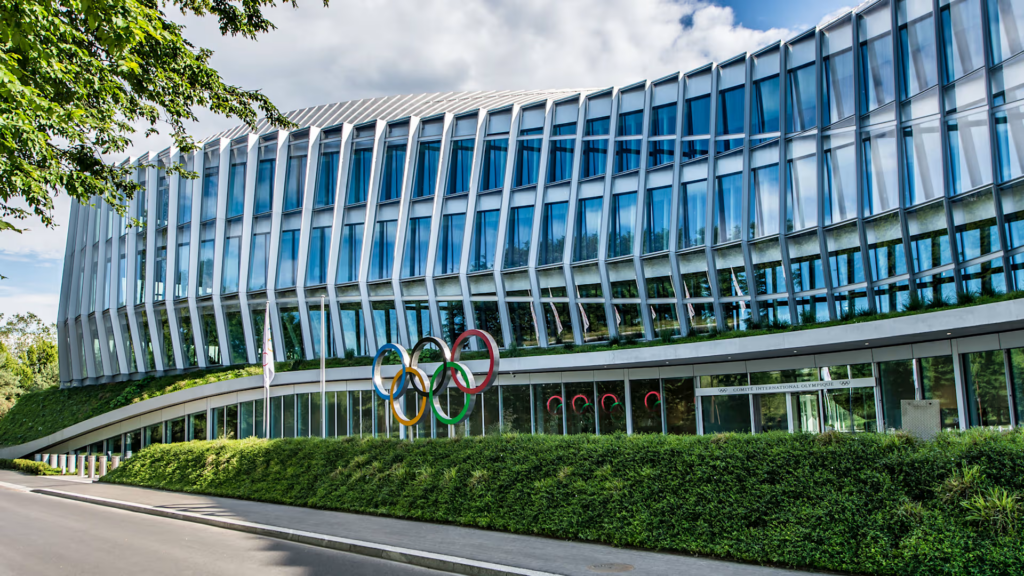
Photo Credit: Fabrice Coffrini / Pool / AFP via Getty Images — Olympic House, International Olympic Committee headquarters, Lausanne, Switzerland, June 23, 2019. Image featured in Latin Times.