
There are New York Fashion Week shows that happen in New York, and then there are shows that feel inseparable from the city itself.
For LUAR Spring 2027, Raúl Lopez chose the latter.
The designer moved beyond Manhattan’s familiar Fashion Week circuit and into Flushing Meadows–Corona Park in Queens, sending his collection around the Unisphere — the massive stainless-steel globe created for the 1964 New York World’s Fair. The location was more than spectacle. For a collection concerned with migration, colonization, identity and belonging, the globe became part of the story.
The collection was titled “Christopher Street Columbus,” a name that intentionally places two very different historical references beside each other: Christopher Columbus and Christopher Street, the Greenwich Village corridor deeply connected to New York’s LGBTQ+ history and Lopez’s own experience of coming of age in the city.
TWO HISTORIES COLLIDE
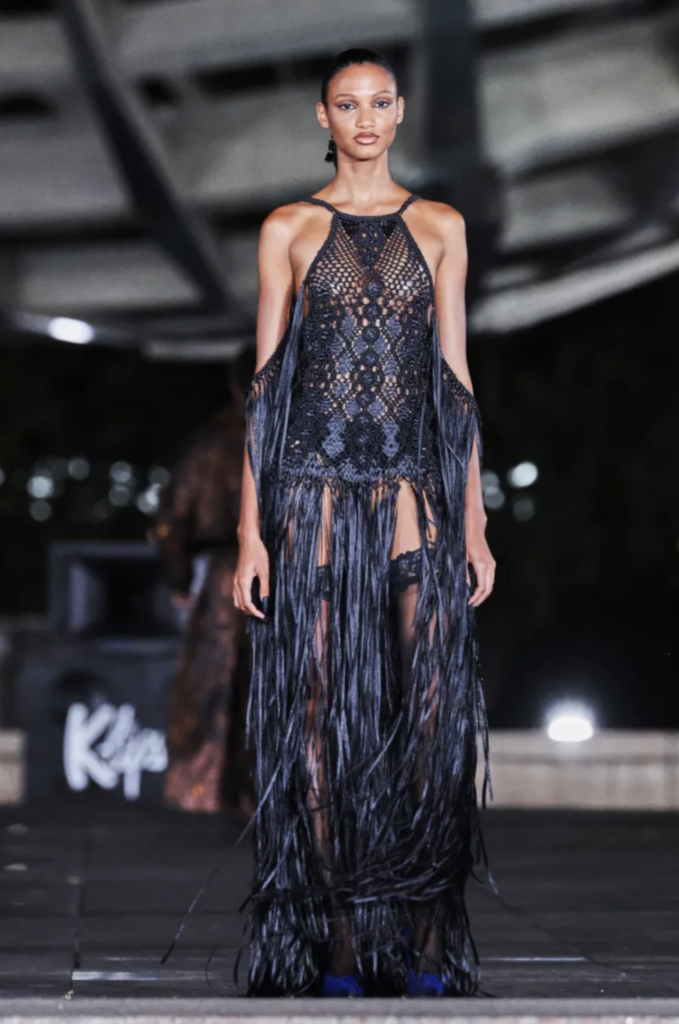
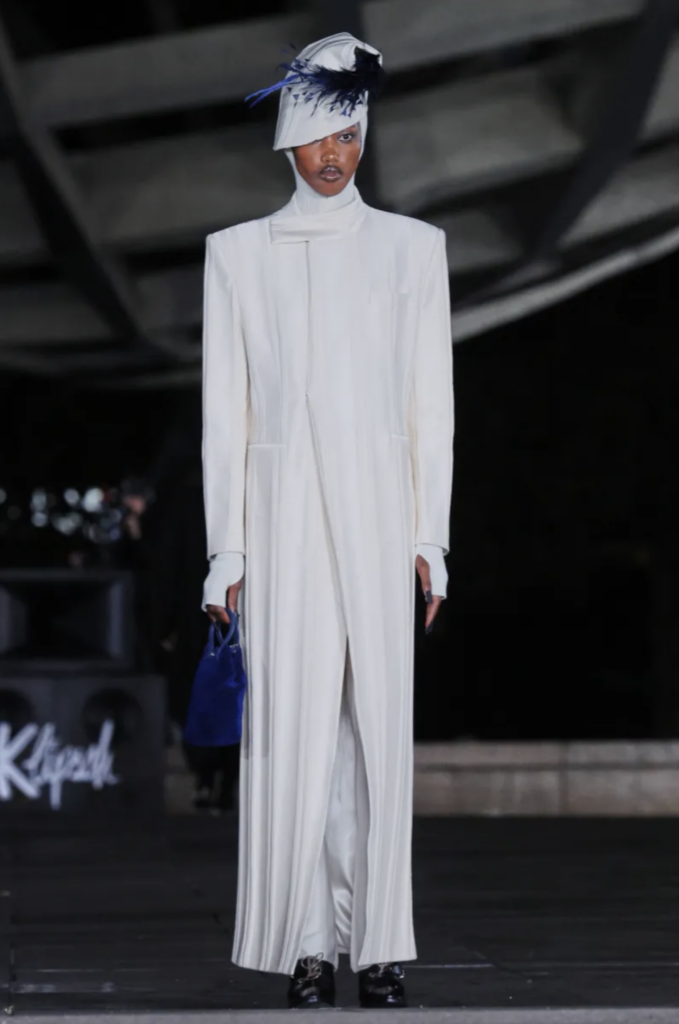
Spring 2027 began with references to Tudor and Renaissance-era dress, but Lopez was never interested in creating historical costume.
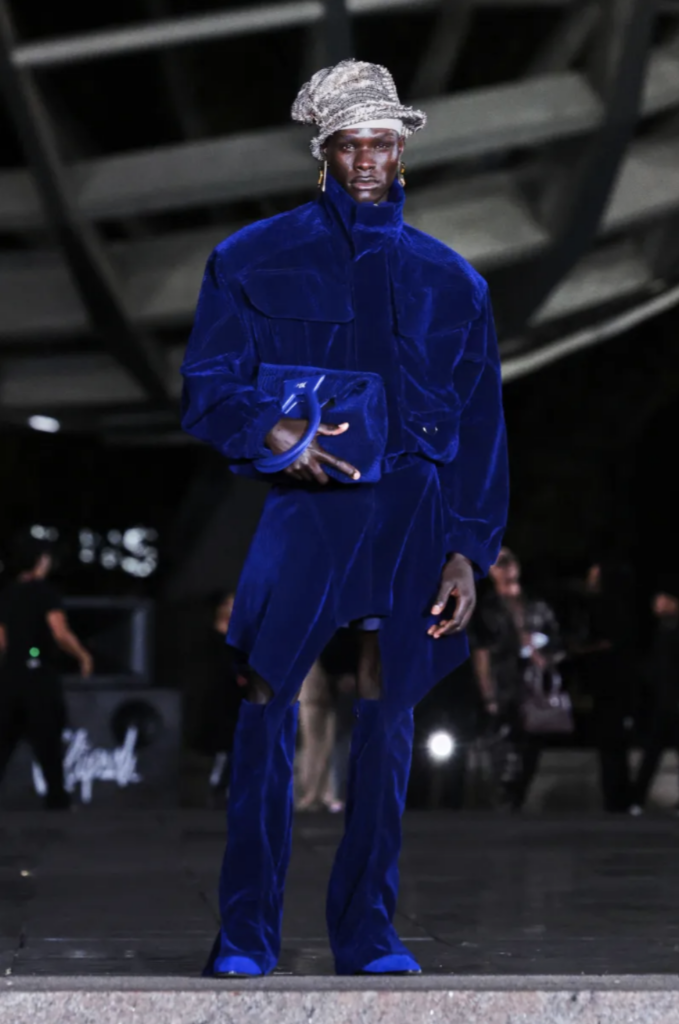
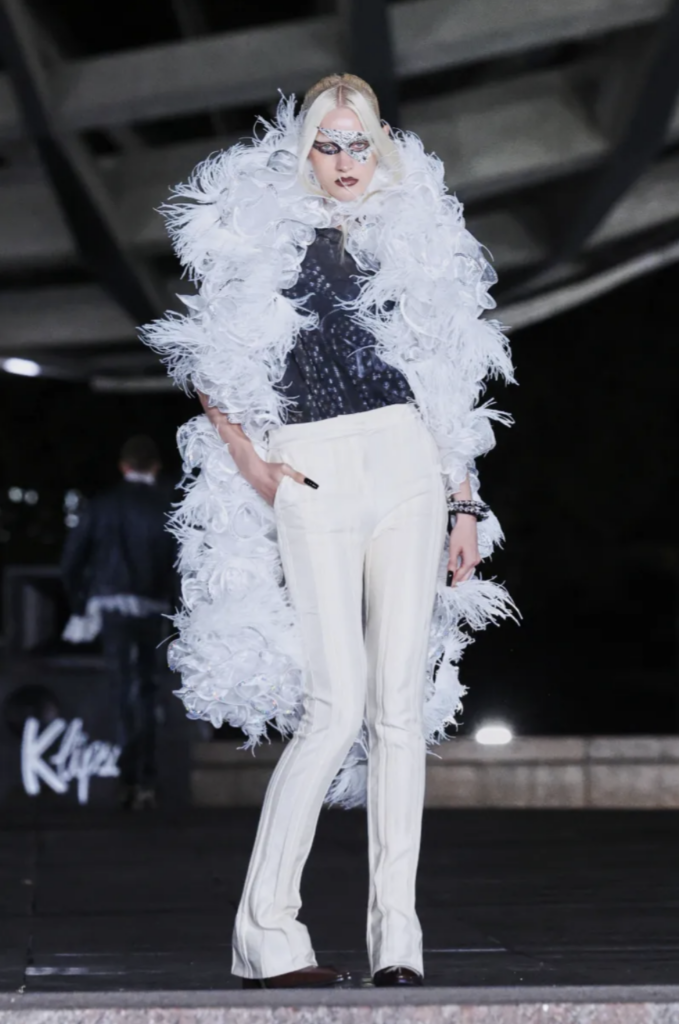
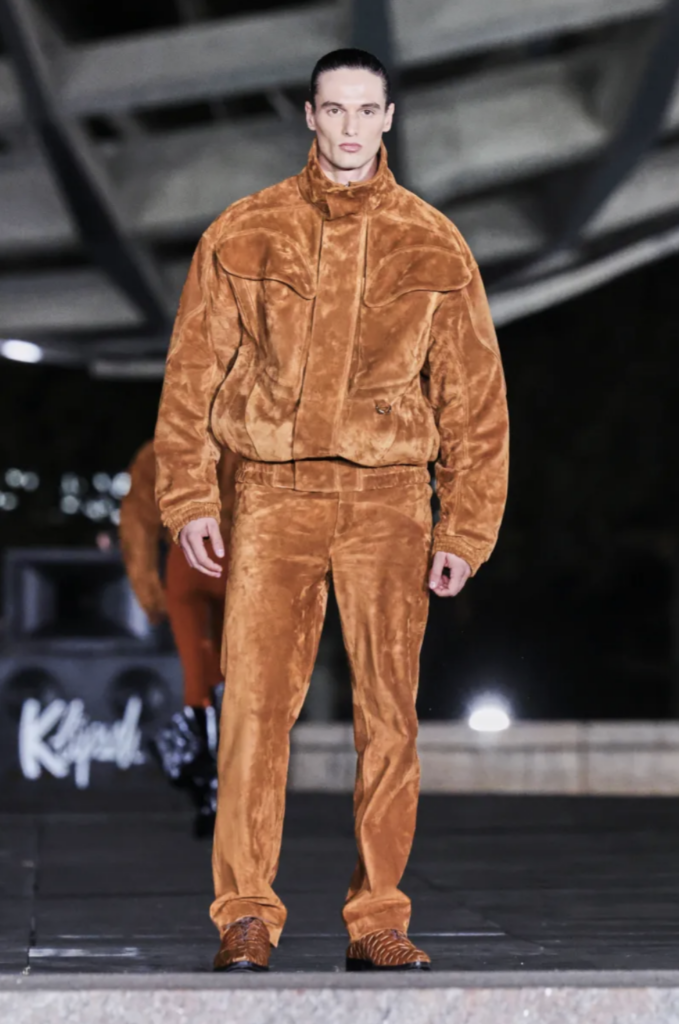
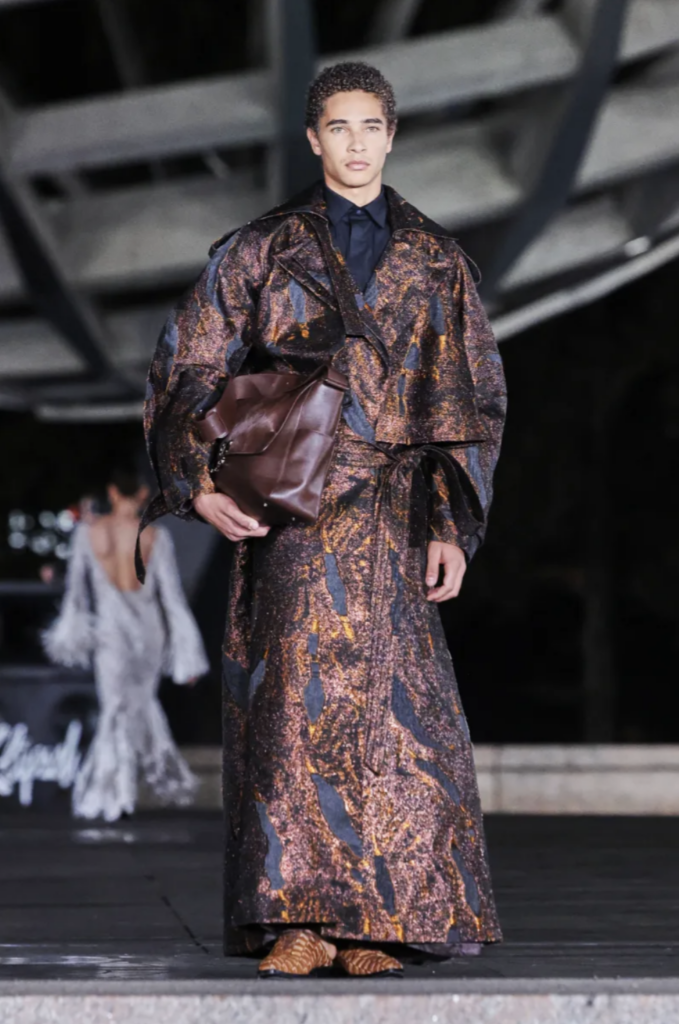
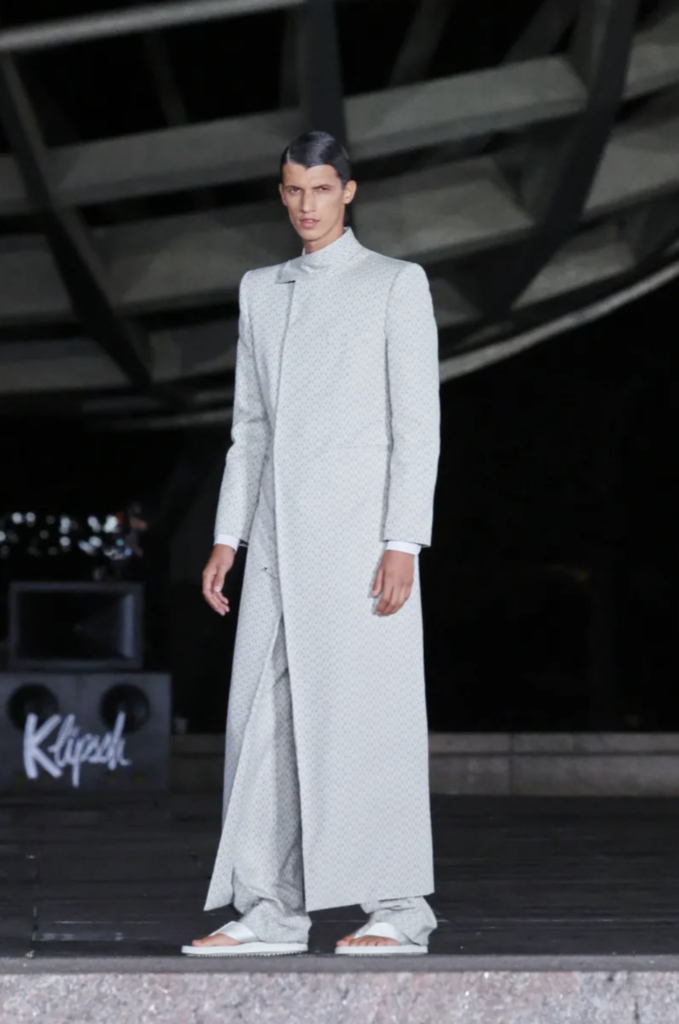
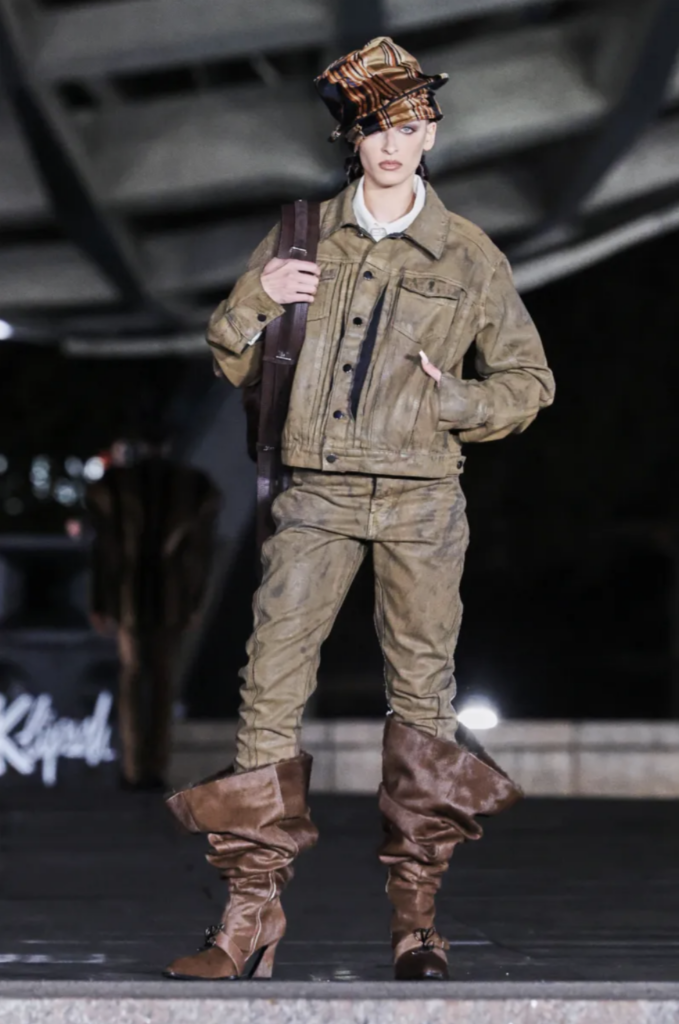
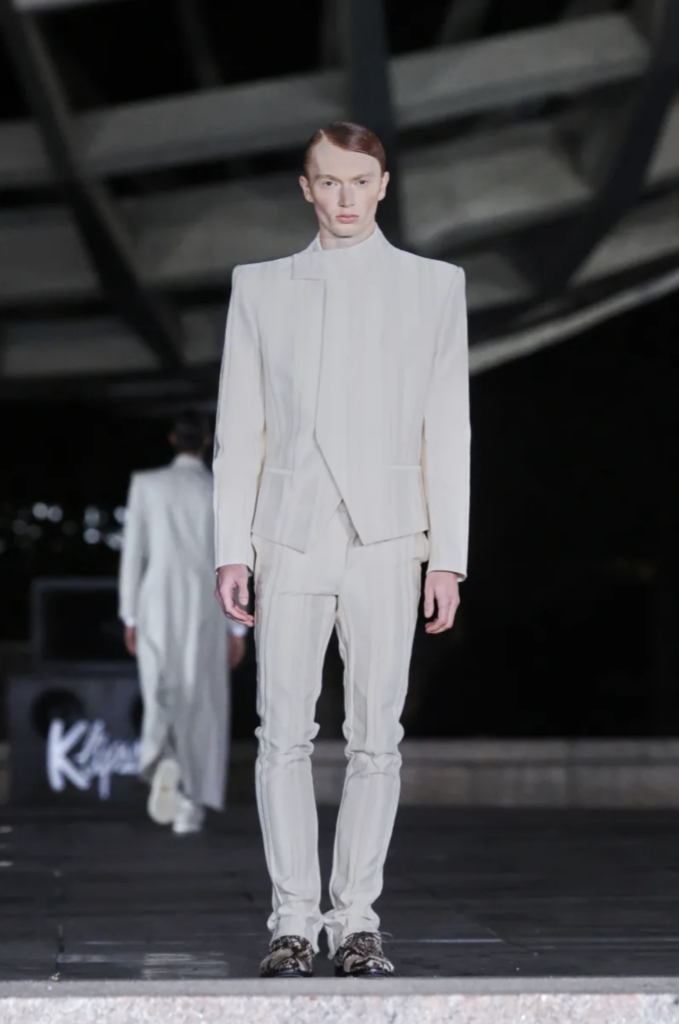
Pleated breeches appeared over trousers and beneath tailored jackets. Shoulders expanded. Sleeves grew theatrical. Double-breasted suiting was distorted, leather became almost armor-like, and contemporary sportswear borrowed proportions associated with centuries-old European dress.
The historical references were then pulled into Lopez’s own world: Dominican culture, queer nightlife and New York street style.
That collision is central to LUAR. Lopez has consistently used fashion to move between communities that traditional luxury once treated as separate — uptown and downtown, street and establishment, masculinity and femininity, immigrant culture and the institutions that decide what gets called luxury.
Spring 2027 made those tensions visible.
THE DOMINICAN REPUBLIC BECOMES TEXTURE
Some of the collection’s strongest storytelling happened not through silhouette, but through fabric.
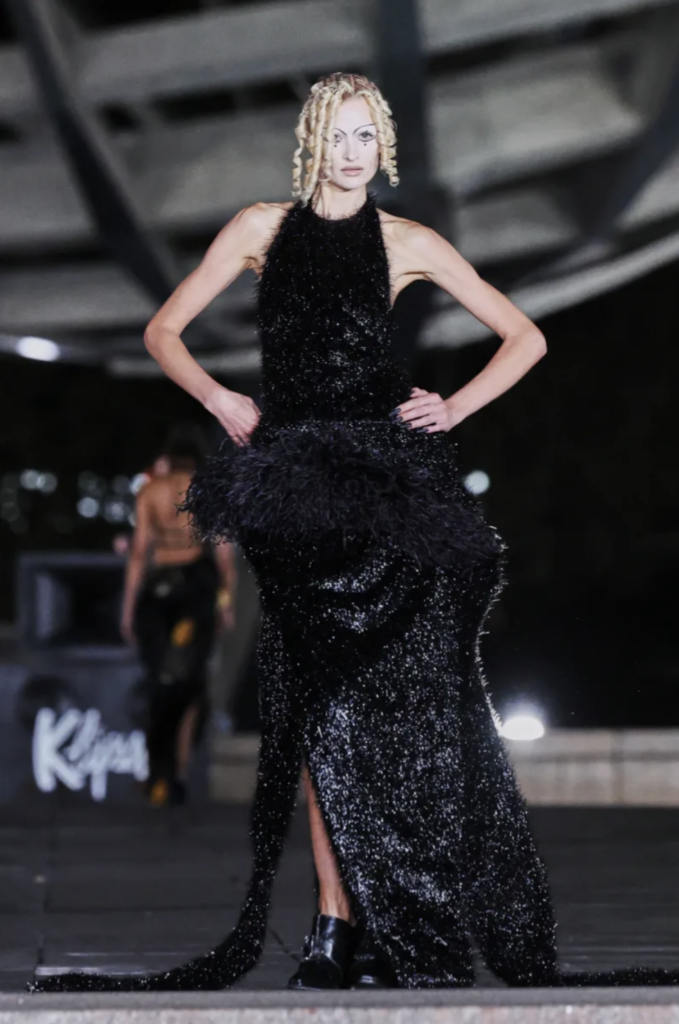
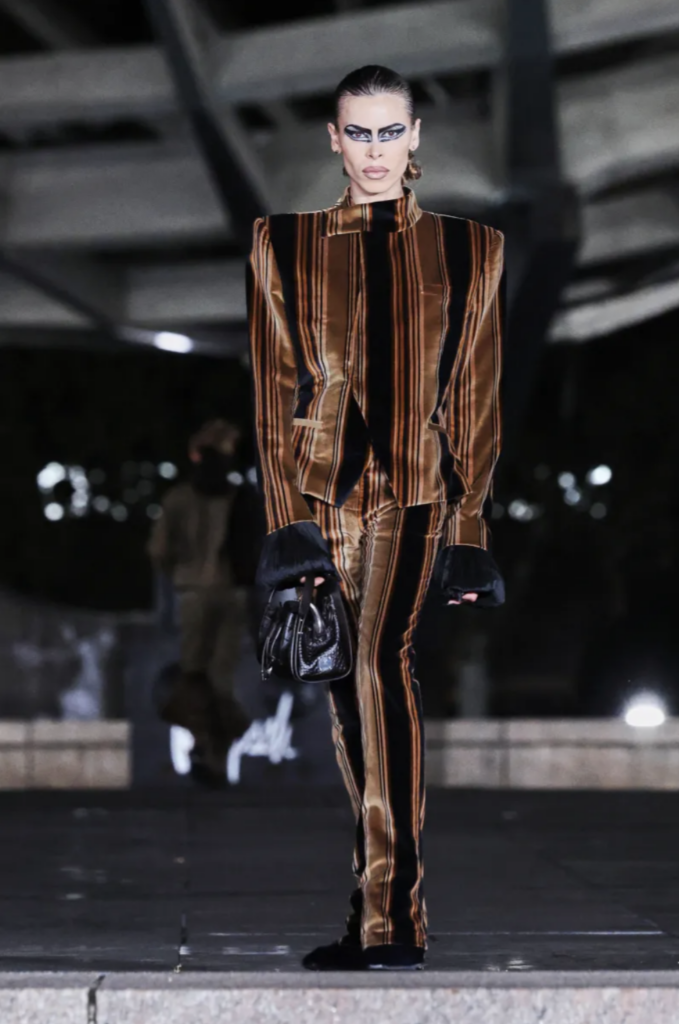
During a trip to the Dominican Republic, Lopez photographed cacao pods and later transformed those images into prints used on silk. The fruit’s greens, yellows and browns migrated onto clothing, while deeper umber jacquards referenced cacao’s earthy textures. Brown-and-black striped velvet, dyed lace and moiré added another layer of richness to the collection.
The result was heritage without cliché. Rather than place an obvious national symbol onto a garment, Lopez allowed material, color and memory to carry the cultural reference.
Sequined evening pieces eventually pushed the collection into a more overtly glamorous territory, with asymmetric hems and feathered details bringing movement to the closing looks.
ACCESSORIES REMAIN PART OF THE LUAR LANGUAGE
Accessories have become an increasingly important part of the LUAR business and identity.
The brand’s Ana bag, recognizable by its oversized circular handle, helped propel Lopez to two CFDA American Accessory Designer of the Year wins — first in 2022 and again in 2024. He is once again nominated in the category for the 2026 CFDA Fashion Awards.
Spring 2027 continued that expansion.
The runway included pouchettes created with MCM, sharply shaped mules and sporty flip-flops made with Brazilian footwear label Kenner. Even smaller details carried historical references: ripped gloves exposed jeweled fingers in a gesture inspired by dress practices Lopez encountered while researching the 1500s.
These were not accessories dropped onto the runway as an afterthought. They helped connect the historical references to the contemporary LUAR customer.
WHY IT MATTERS: NEW YORK DOESN’T END IN MANHATTAN
For PMG, one of the most interesting parts of this show is not simply what Lopez put on the runway. It is where he decided the runway belonged.
New York Fashion Week has historically centered much of its industry machinery around Manhattan, even as many of the communities shaping New York fashion exist well beyond it.
Lopez took editors, buyers, celebrities, and fashion insiders to Queens instead. The decision matters because LUAR’s identity has always been connected to the version of New York that exists outside traditional luxury spaces. Staging the show under one of Queens’ most recognizable monuments made that relationship physical.
The runway literally circled the globe. Against that backdrop, clothing influenced by European empire, Caribbean history, Dominican identity, and queer New York moved through the same space.
That is where Spring 2027 became more than historical reference. It became a conversation about who gets to inherit history — and who gets to rewrite it.
FROM CULT LABEL TO AMERICAN FASHION INSTITUTION
Lopez is no longer operating exclusively as fashion’s outsider.
A former cofounder of Hood By Air, the Dominican-American designer has built LUAR into one of New York’s most closely watched independent labels. The CFDA describes the brand as existing at the intersection of New York City and the Dominican Republic, with the Ana bag playing a major role in its growth and recognition.
His repeated CFDA recognition underscores that evolution. Lopez won American Accessory Designer of the Year in both 2022 and 2024 and is among the five designers nominated for the award again in 2026.
Yet the Spring 2027 show demonstrated why LUAR remains interesting even as the industry increasingly embraces it. Lopez has not cleaned up the tension that built the brand.
He has made the tension bigger. Under the Unisphere, LUAR placed the street beside the empire, Queens beside Fashion Week and personal history beside global history.
And for one night, the fashion world had to travel to Lopez’s New York to see it.
Photos by: Rodin Banica