
Inside the extreme durability testing behind Apple’s first foldable iPhone.
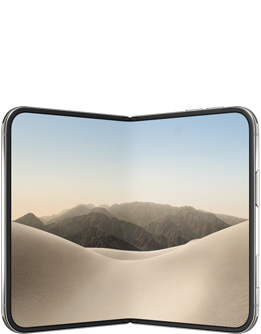
Creating a foldable iPhone presents Apple with a problem that traditional smartphones largely avoid: some of the most important parts of the device are designed to move.
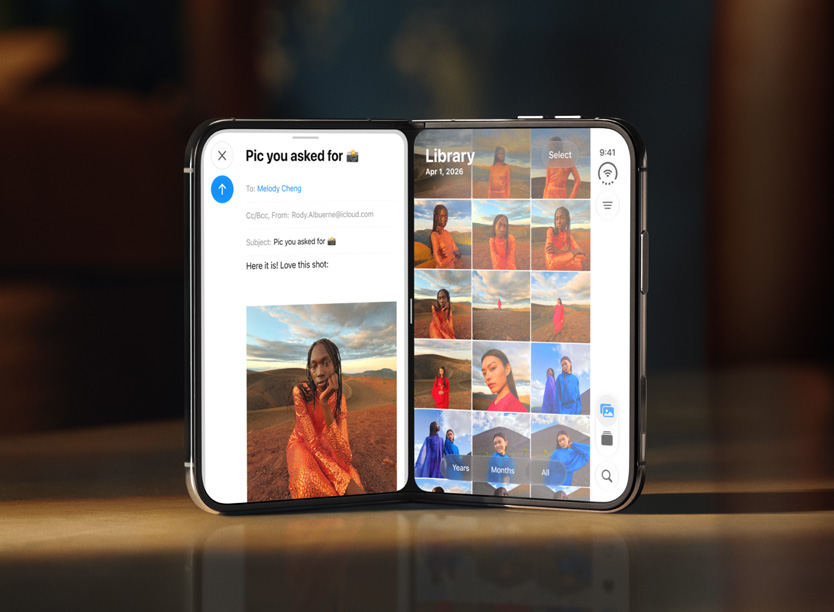
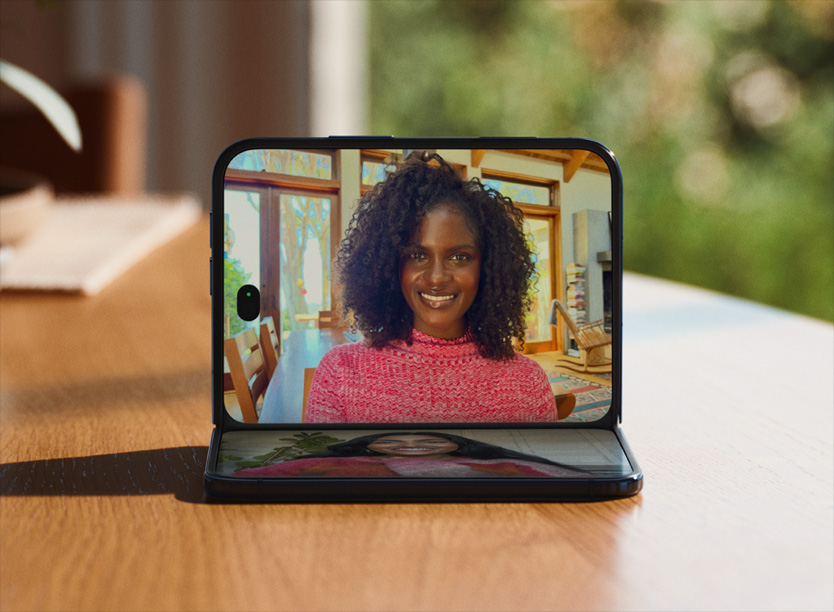
With the new iPhone Duo, Apple’s first foldable iPhone, durability has consequently become almost as important to the story as the folding display itself.
A behind-the-scenes video shared by Pubity offers a glimpse into the type of testing used to push the device toward its limits. The process includes repeatedly folding and bending the hardware, performing drop tests and exposing devices to controlled environmental conditions meant to replicate situations an iPhone could encounter in the real world.
Testing Beyond the Drop
Perhaps one of the more fascinating details is the precision involved in environmental testing.
Rather than simply taking a phone outside and dropping it into whatever sand happens to be nearby, testing can rely on controlled materials with specific particle characteristics. The video describes specialized sand selected to reproduce particular environmental conditions.
Temperature and atmospheric conditions can also be recreated inside testing chambers.
It is a reminder that modern durability testing is less about randomly destroying devices and more about creating repeatable conditions engineers can study.




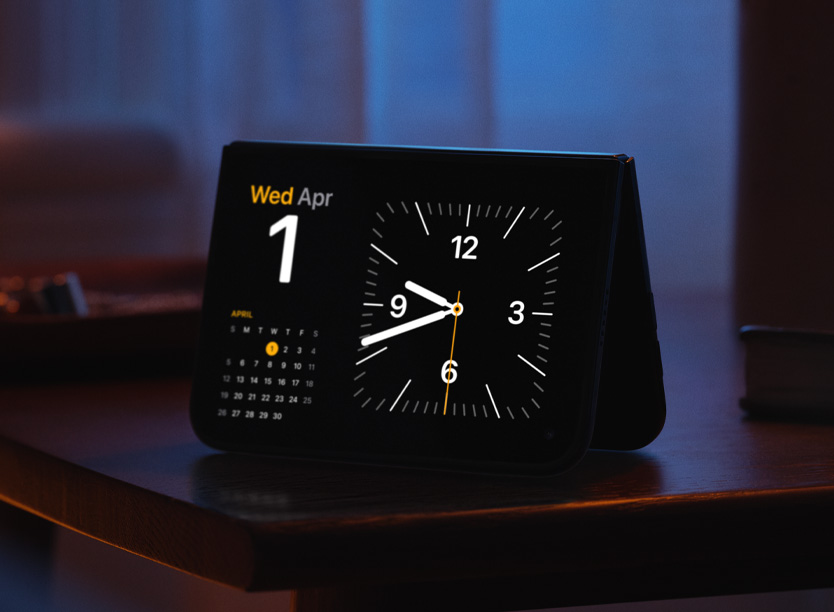
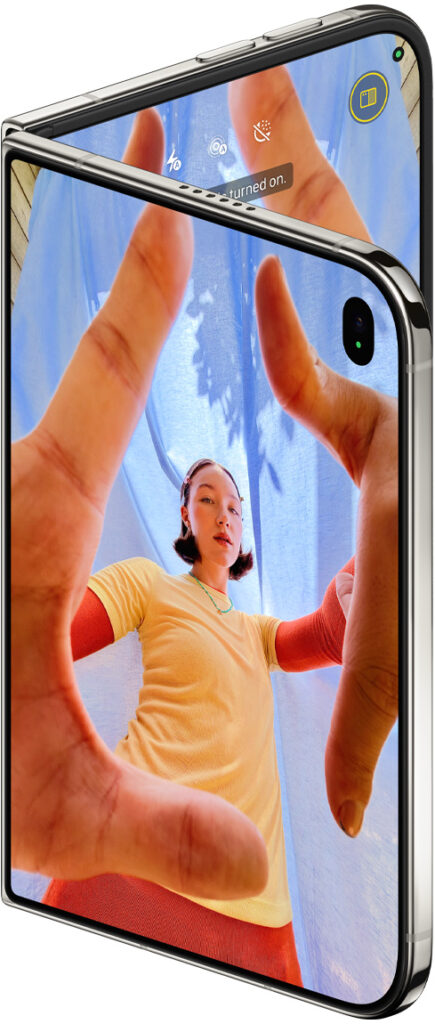
The Hinge Is the New Engineering Challenge
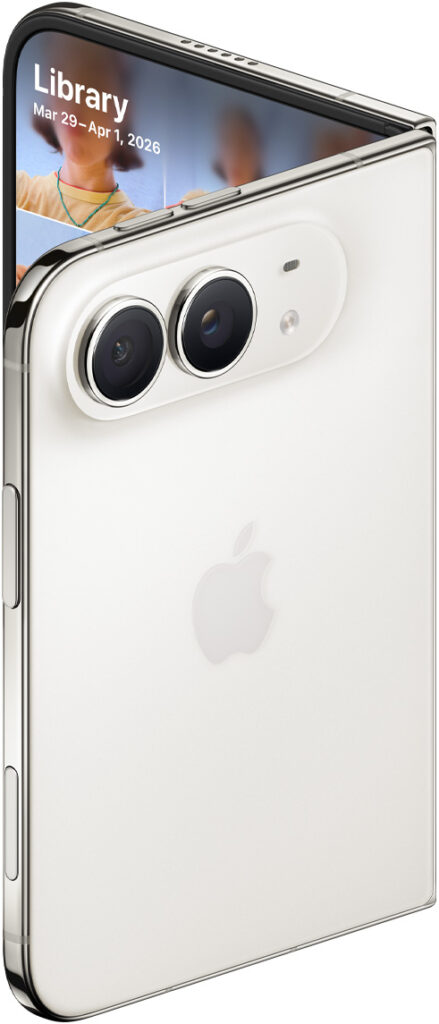
The iPhone Duo introduces an entirely different mechanical structure to Apple’s smartphone lineup.
Apple says the device’s precision hinge contains more than 100 components, designed to control the opening and closing movement while supporting the center of the folding display.
The company also uses grade 5 titanium in the enclosure, internal structural reinforcement and a titanium plate beneath the inner display.
The display itself presents another challenge. Apple says its folding screen incorporates high-strength glass, a custom polymer cover layer and adhesives designed to allow the layers of the display to move relative to one another as the phone bends.
Together, those components have to withstand something conventional iPhones never had to do thousands of times: fold.
Designed for More Than the Showroom
Apple has also given the iPhone Duo an IP68 rating for splash, water and dust resistance, although, as with other smartphones, Apple notes that resistance can decrease through normal wear.
That distinction matters.
A device can look exceptional during a controlled product launch. The real engineering challenge begins once it is carried in a pocket, dropped onto a floor, exposed to heat, dust and moisture, opened countless times and used every day for years.
For Apple’s first folding iPhone, the company isn’t simply introducing a new screen.
It is introducing an entirely new collection of moving parts that have to behave like an iPhone.
Before customers get the chance to test those limits, Apple’s engineers are apparently doing plenty of breaking on their own.