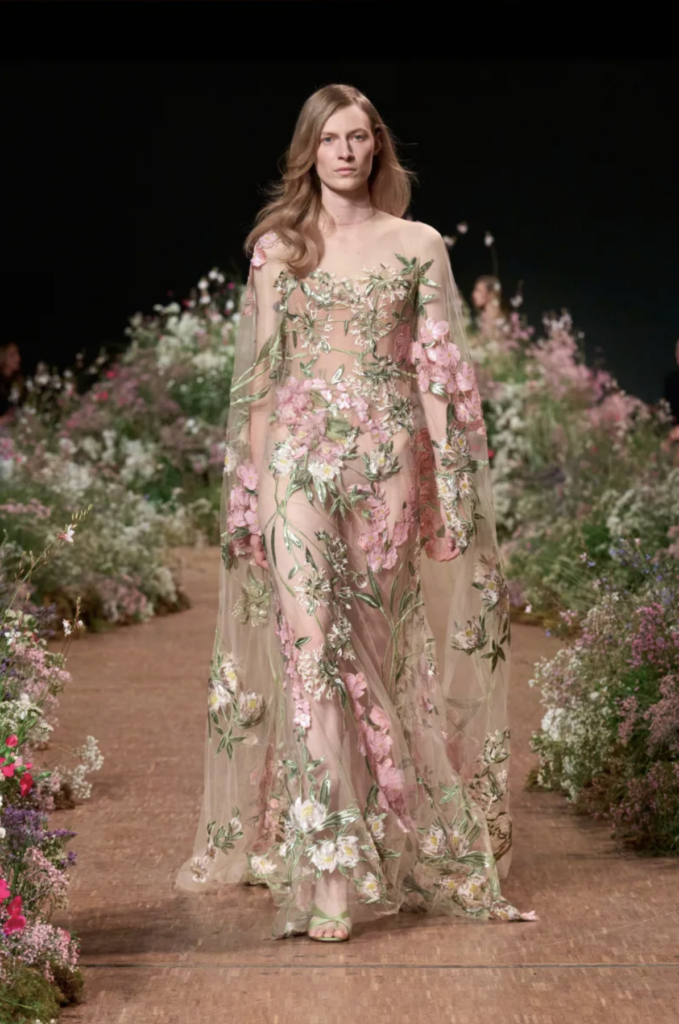
Elie Saab Returns to His Signature Codes for Spring 2027
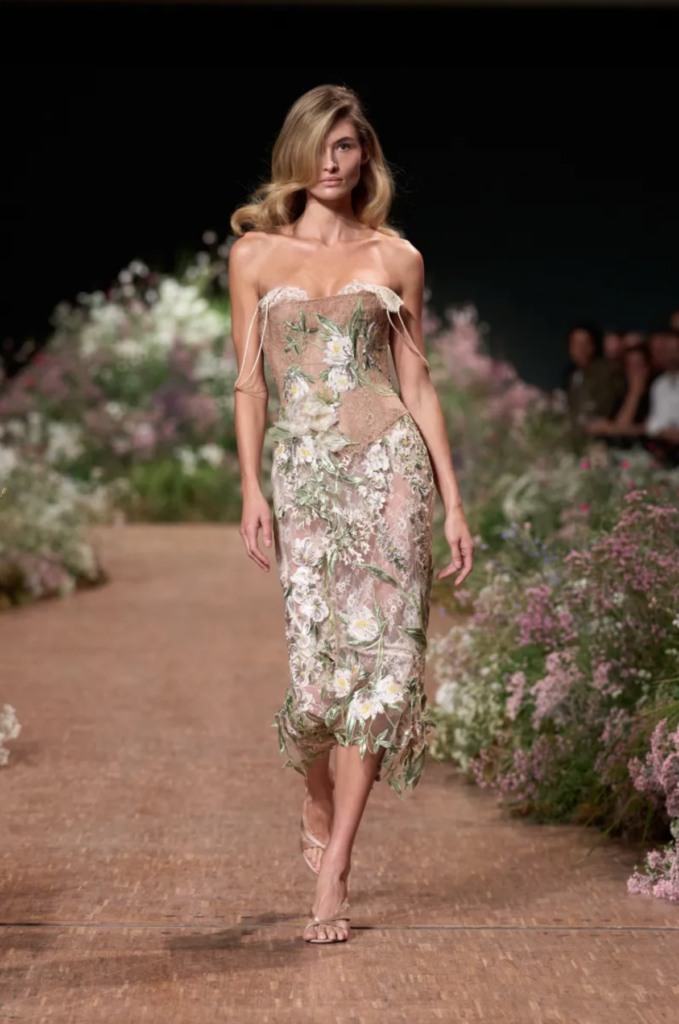
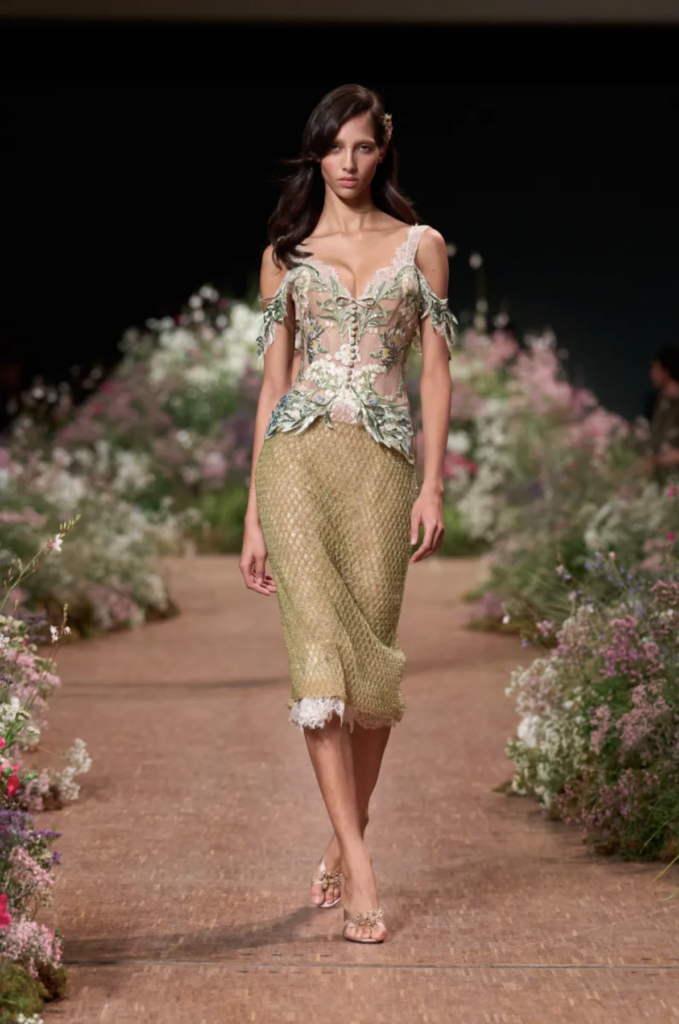
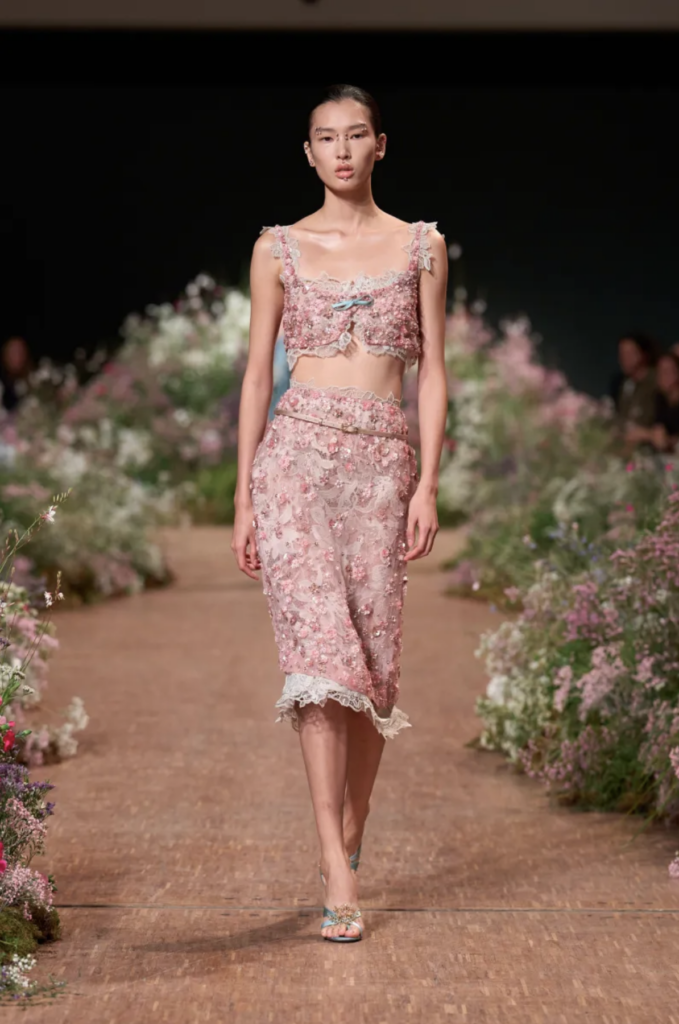
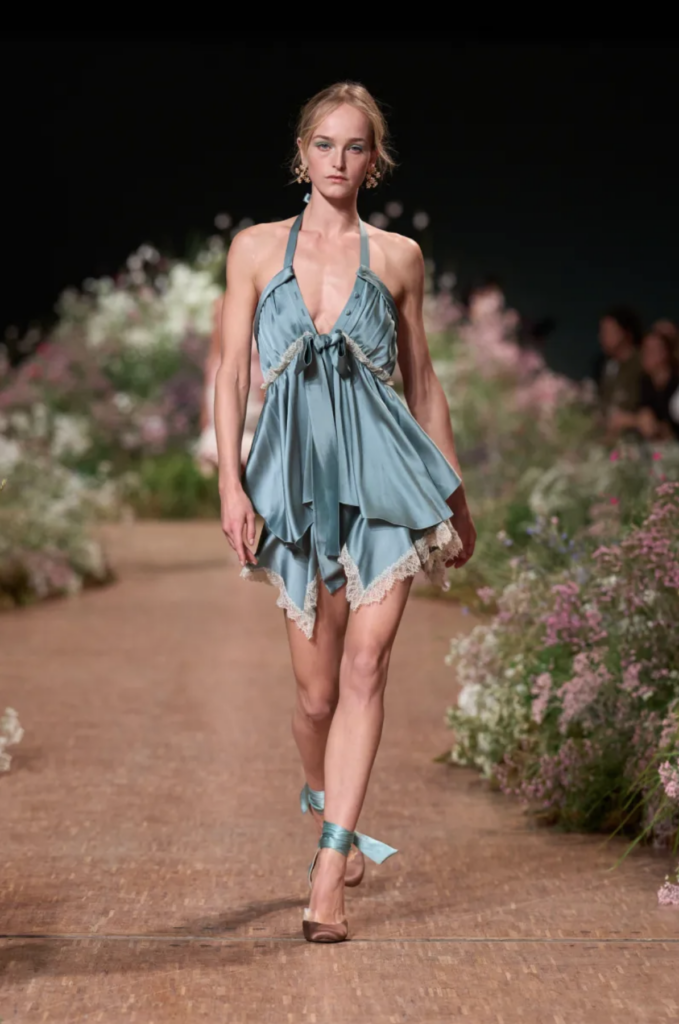
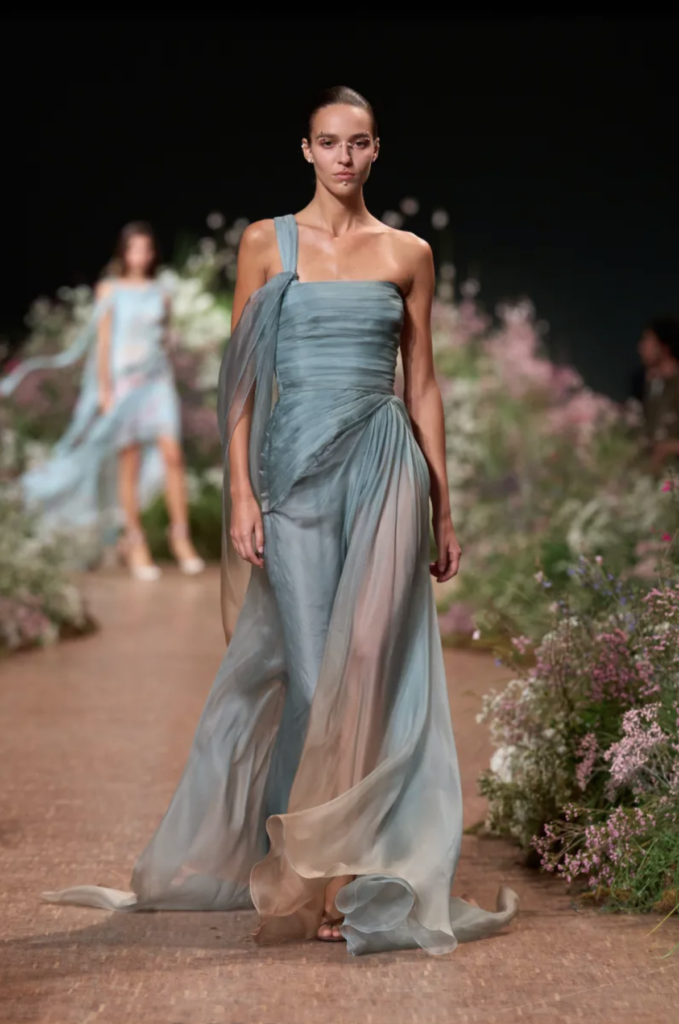
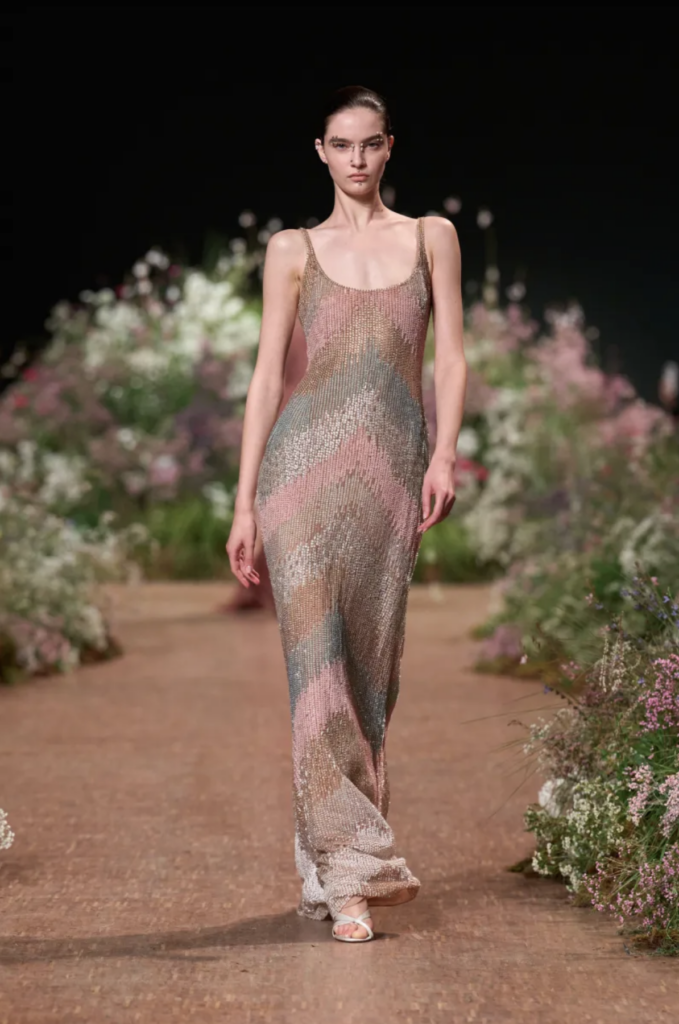
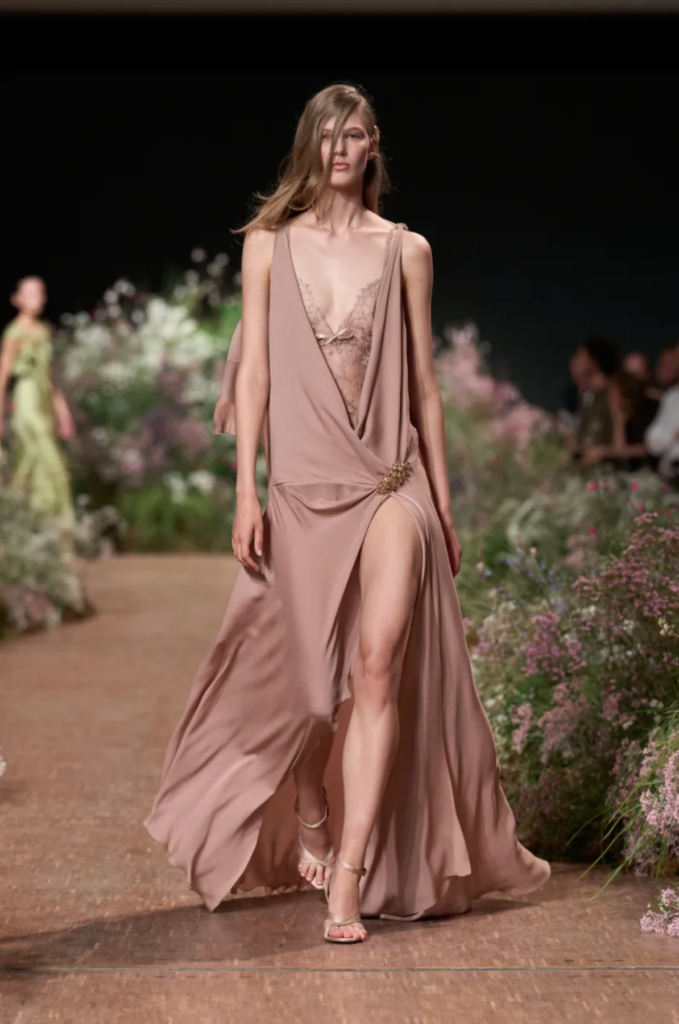
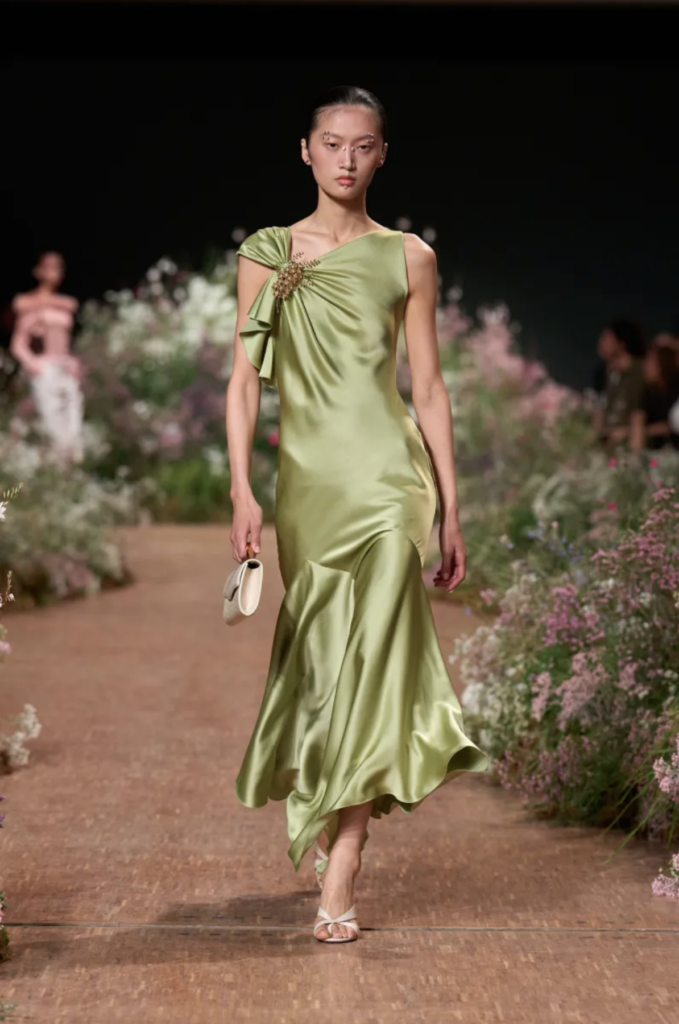
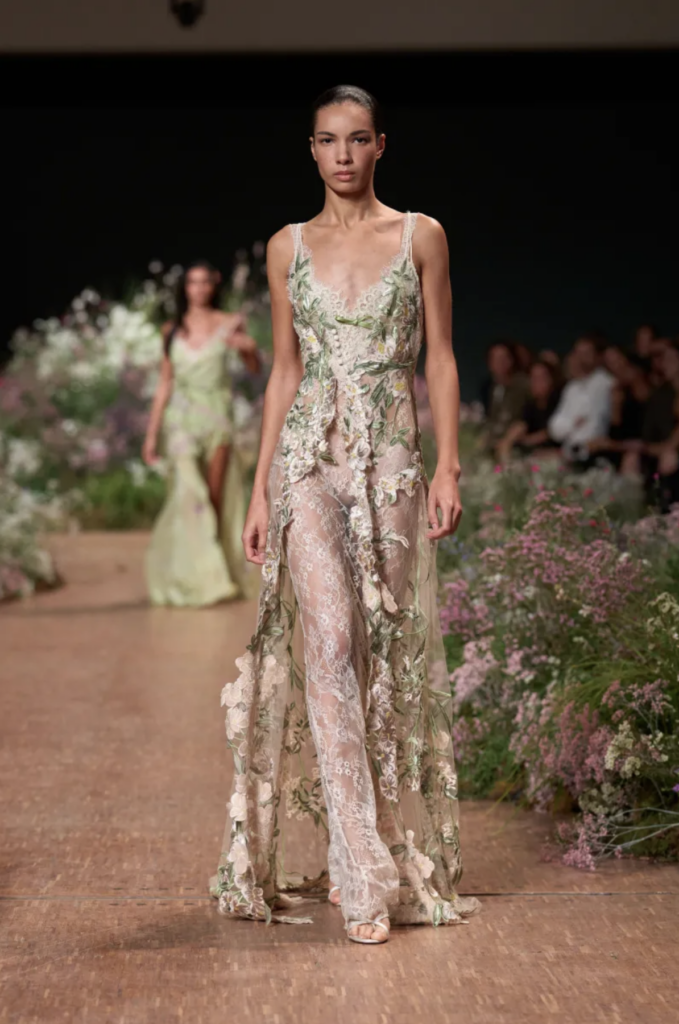
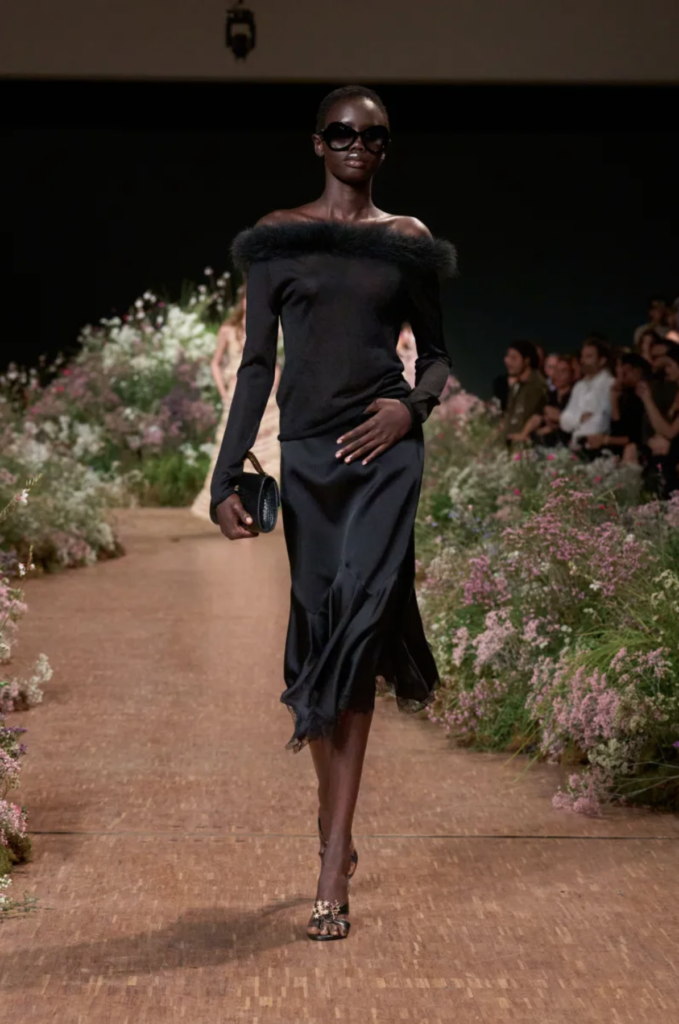
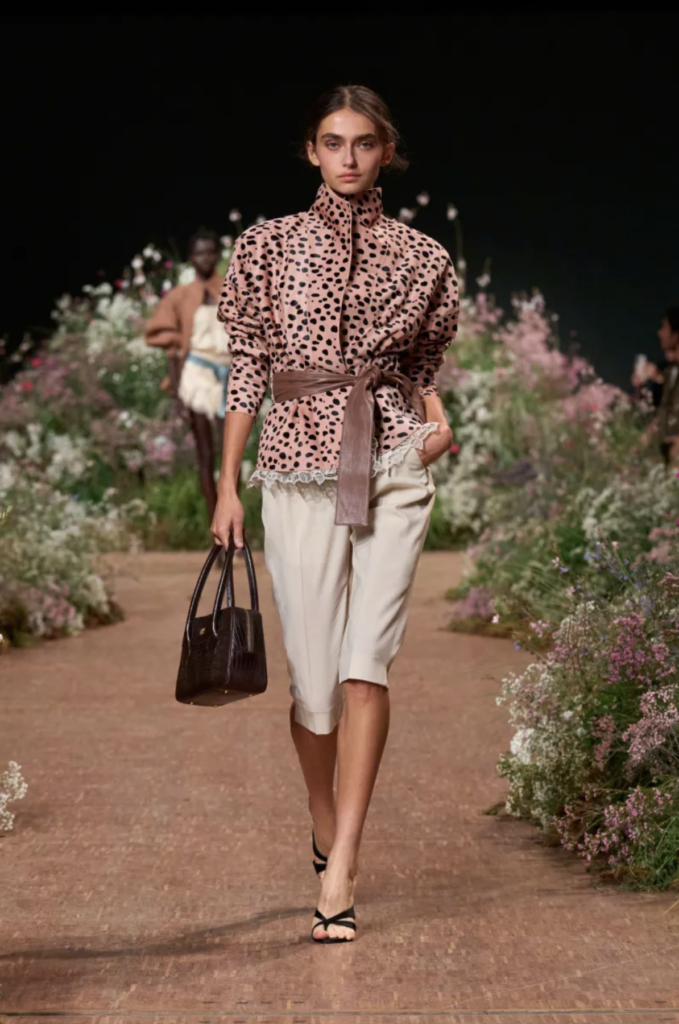
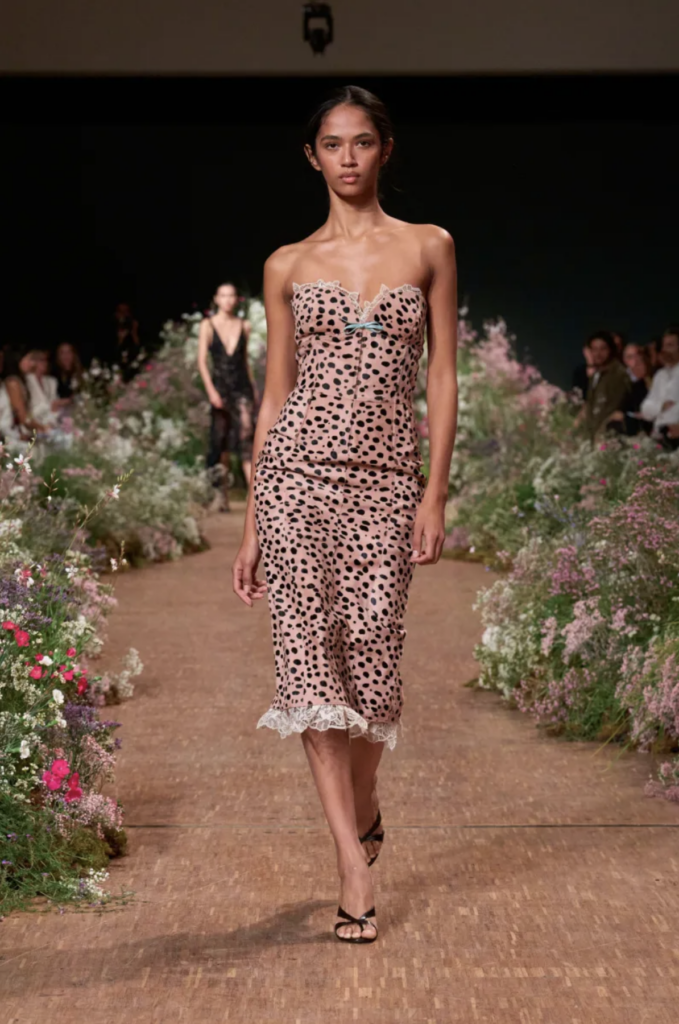
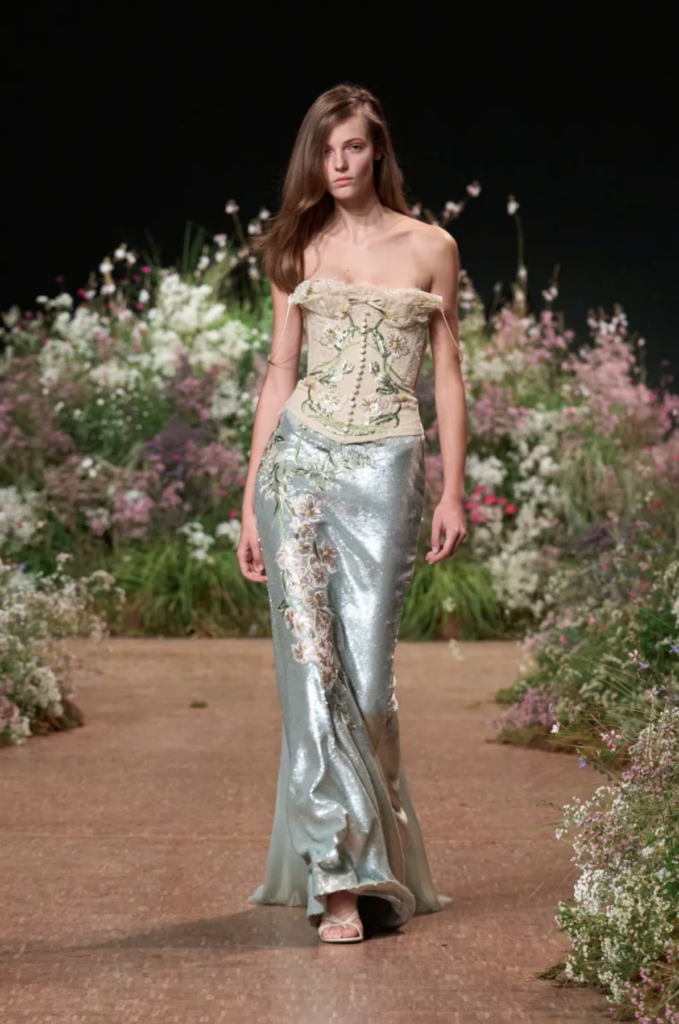
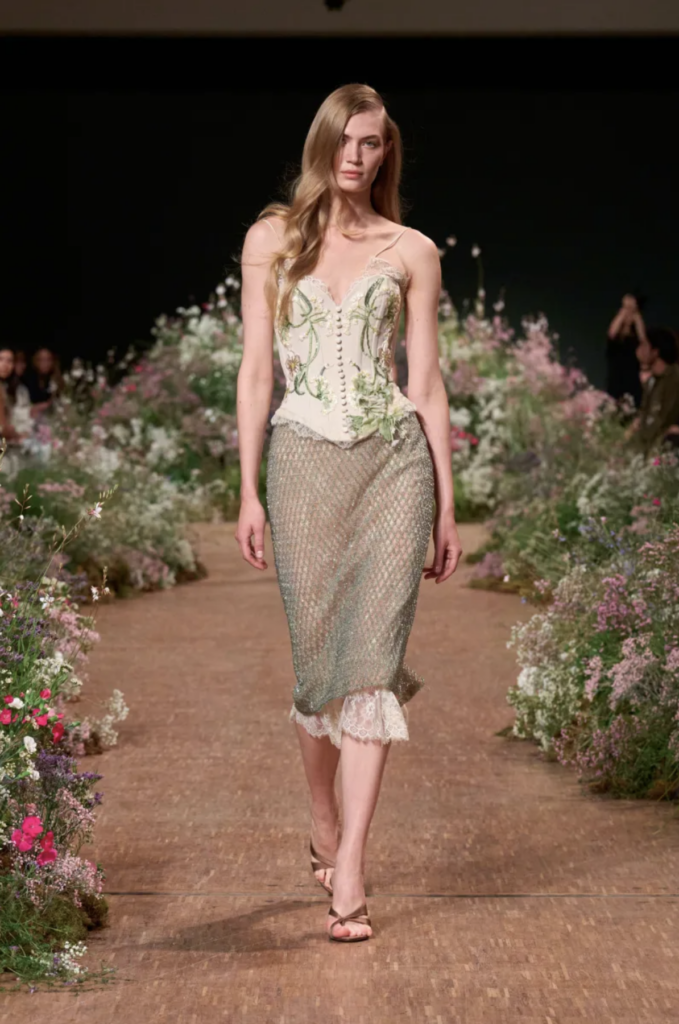
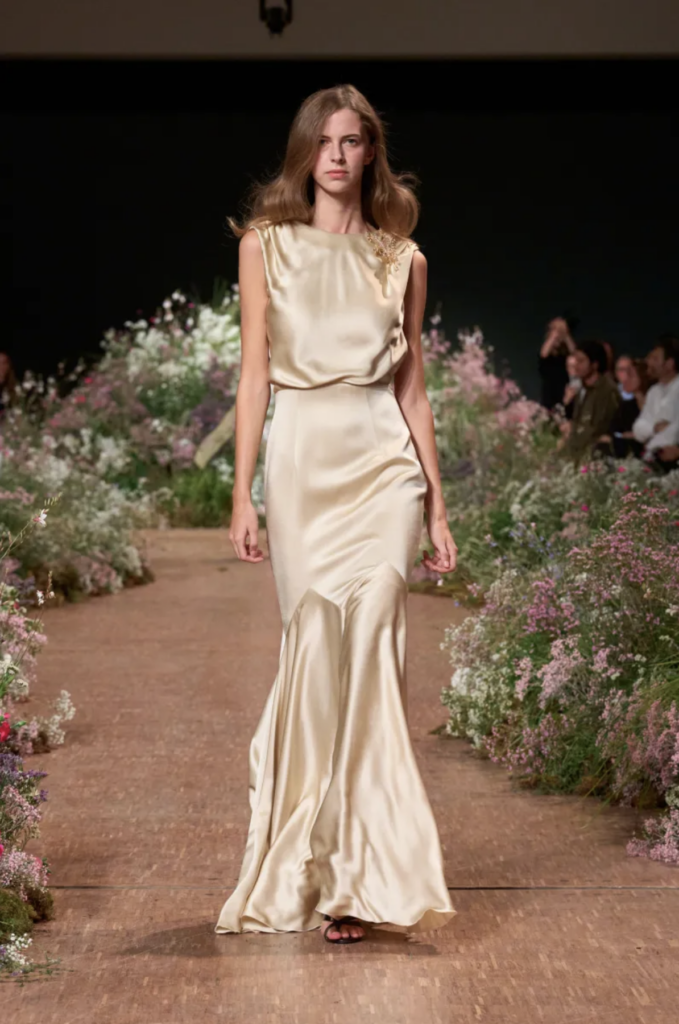
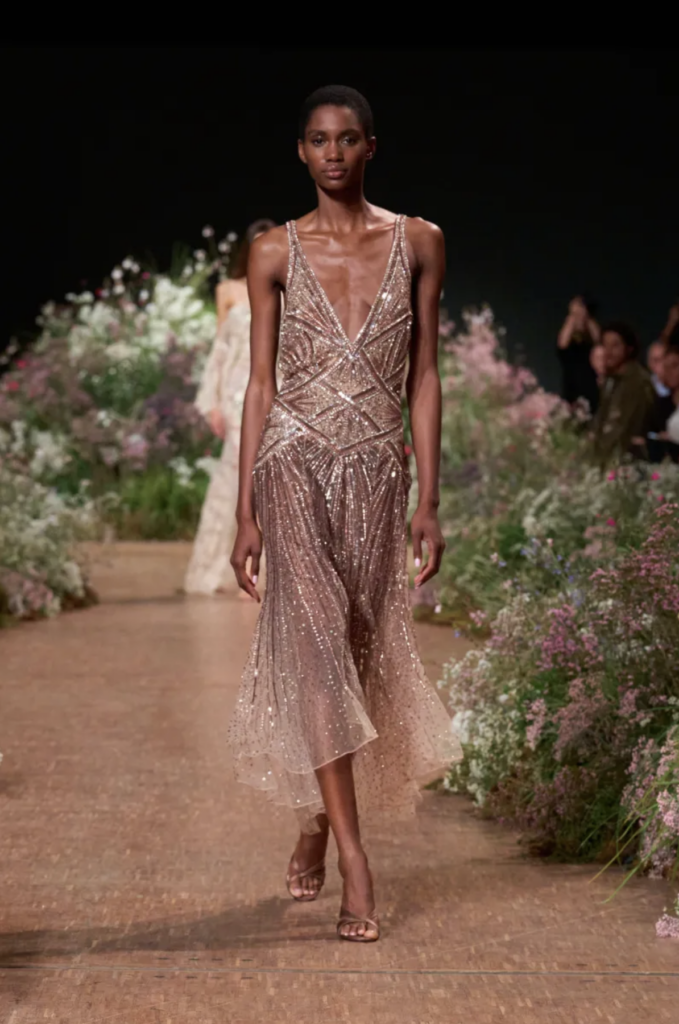
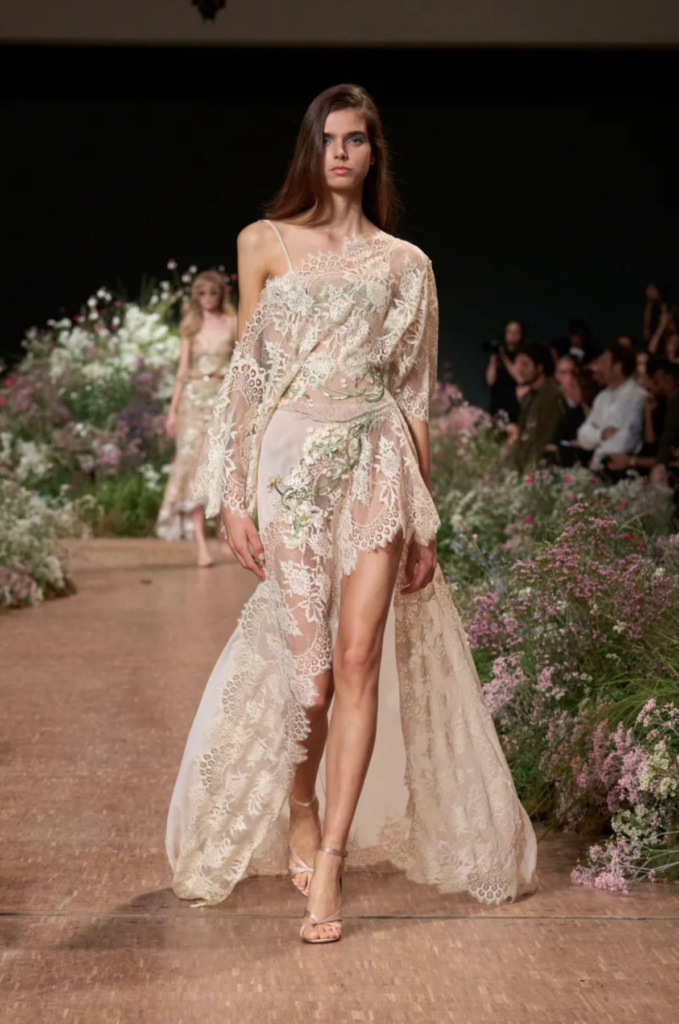
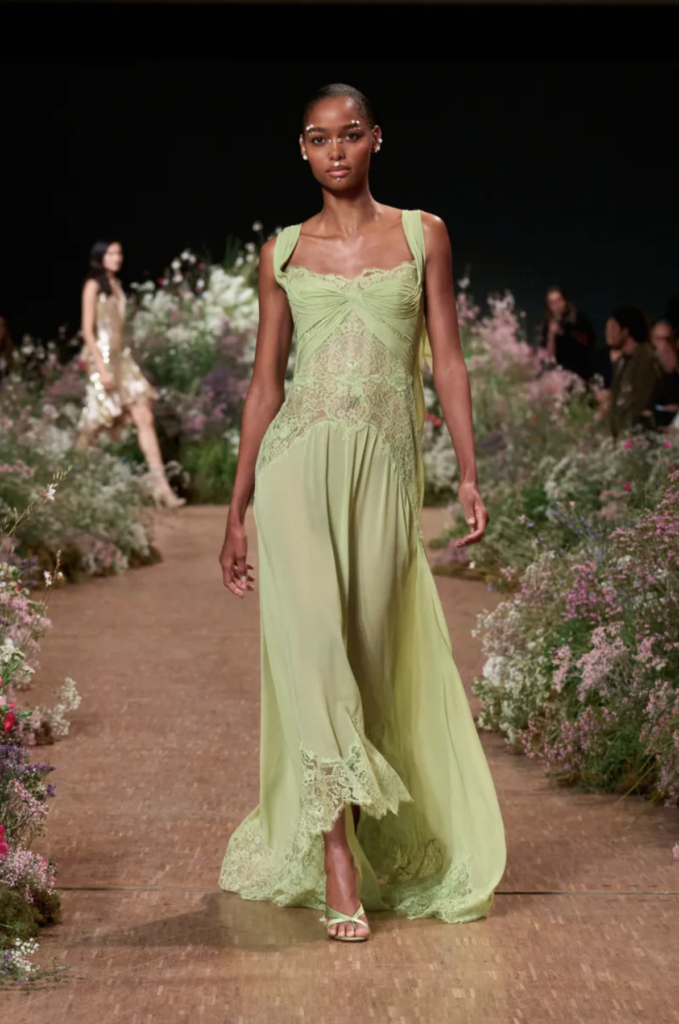
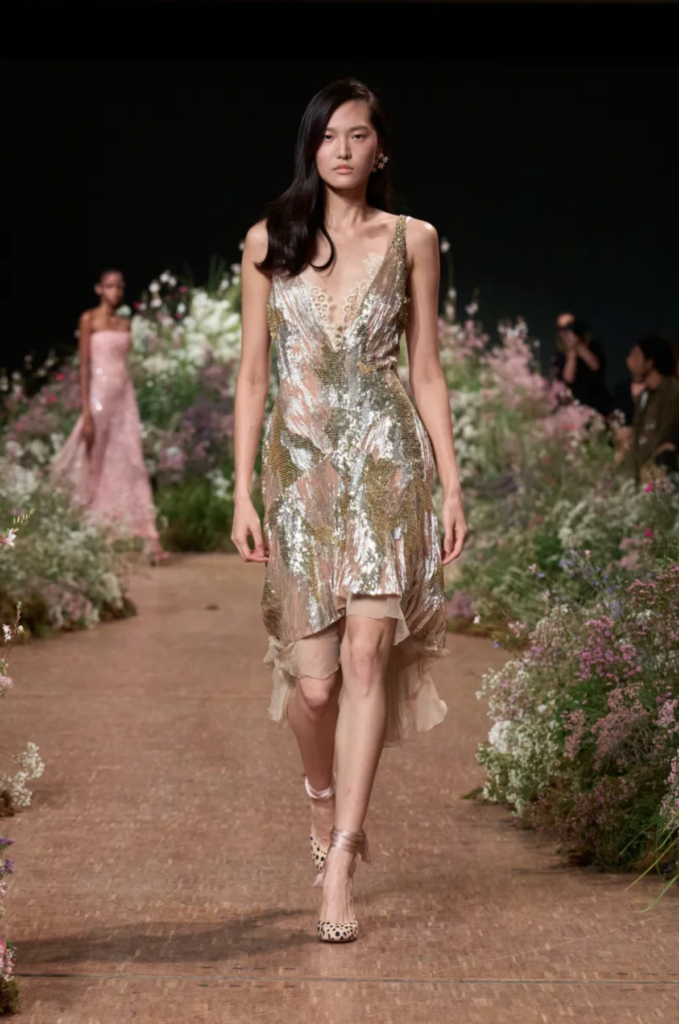
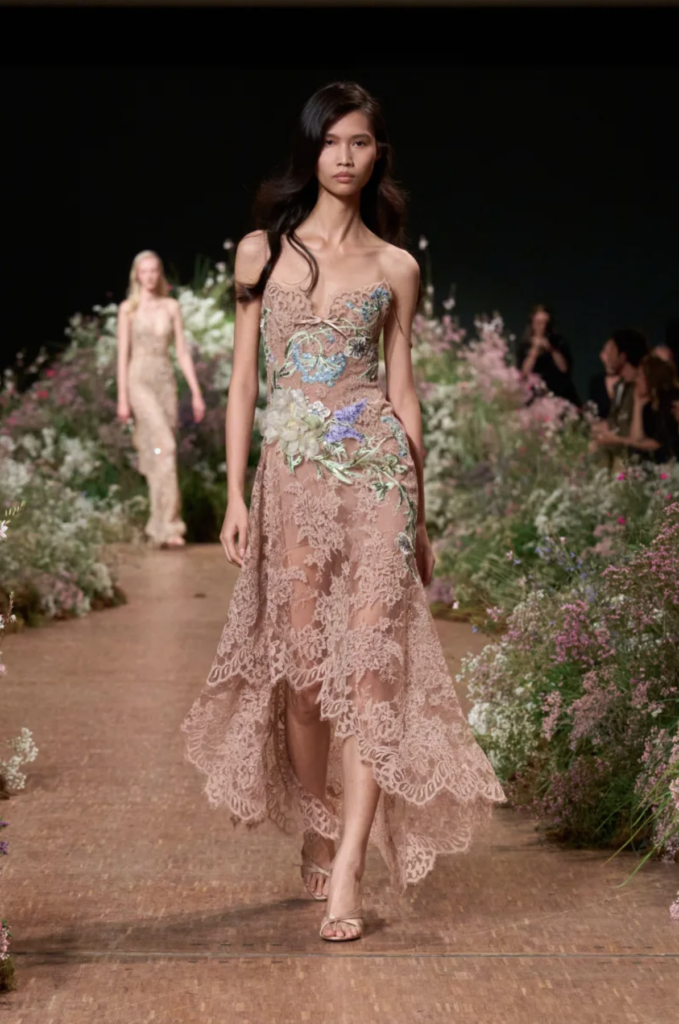
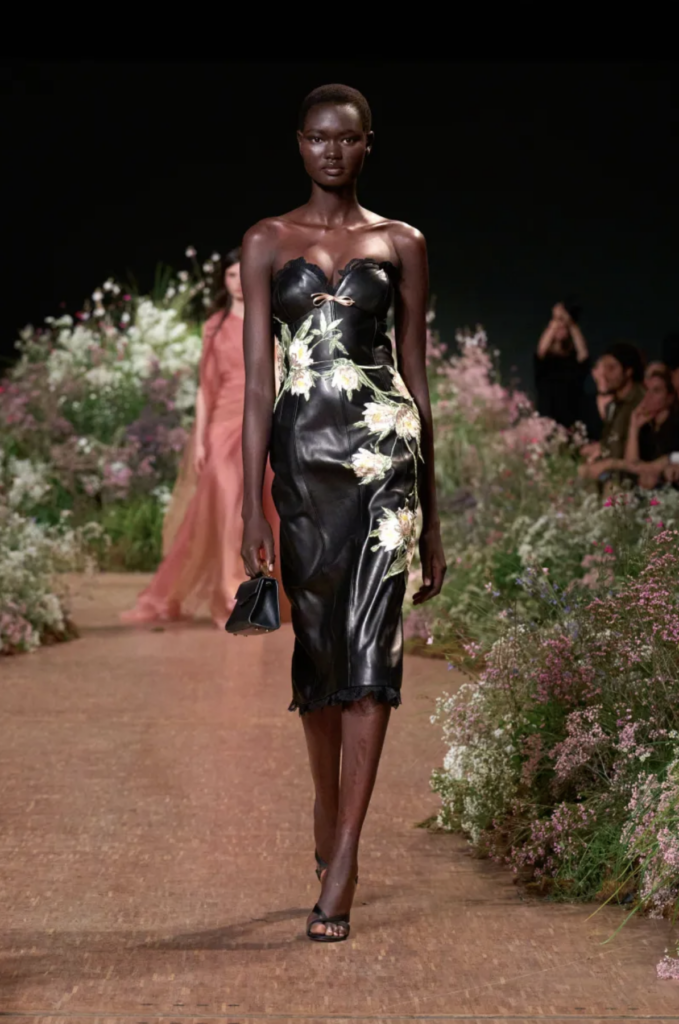
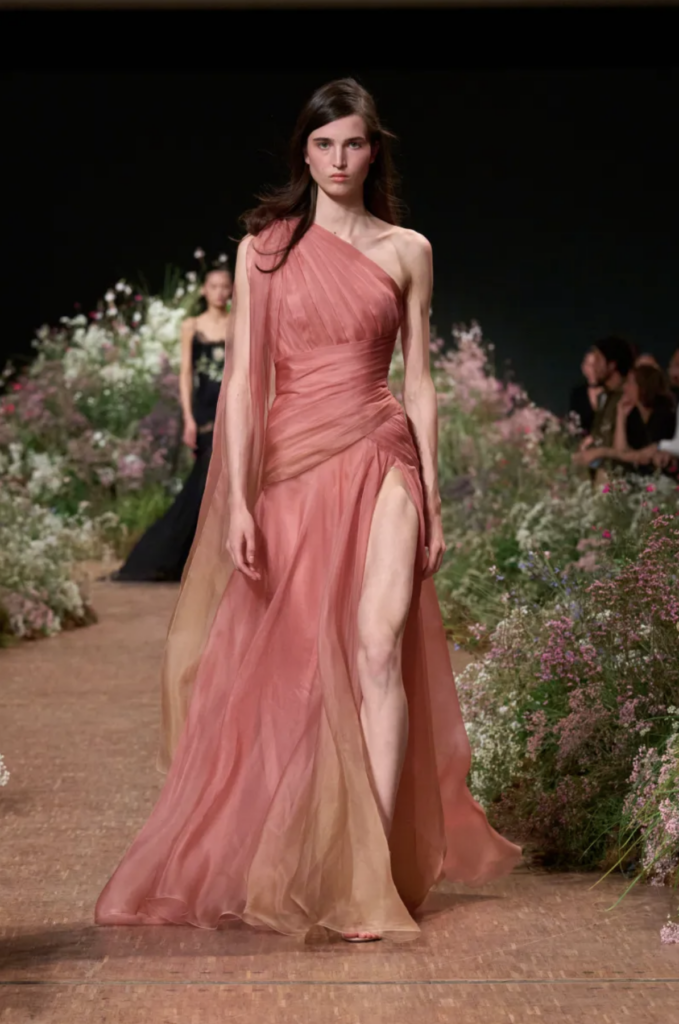
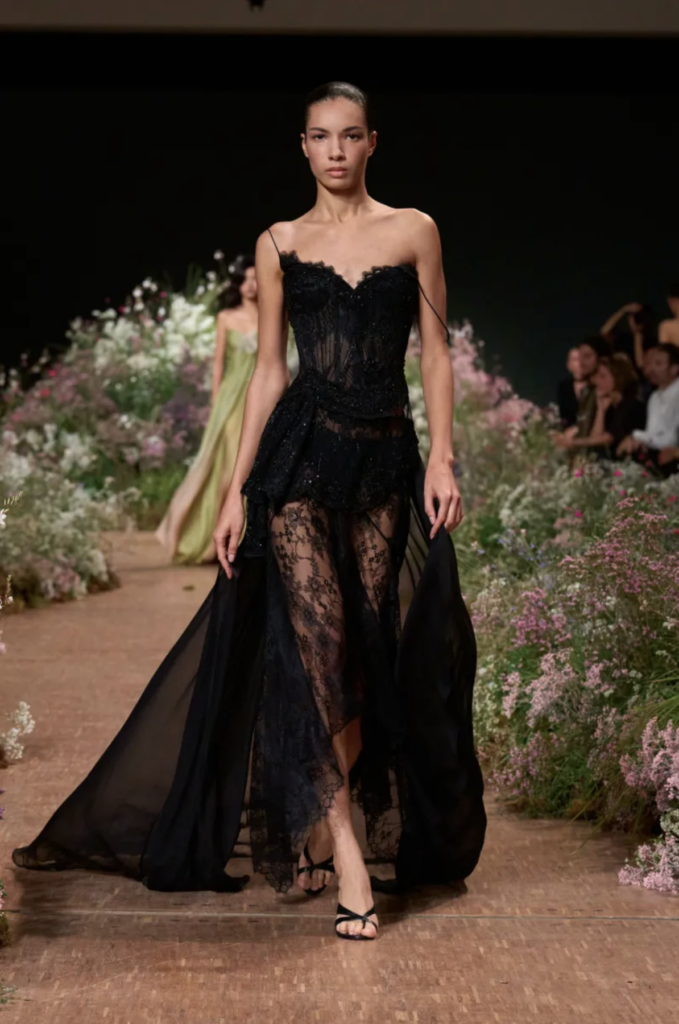
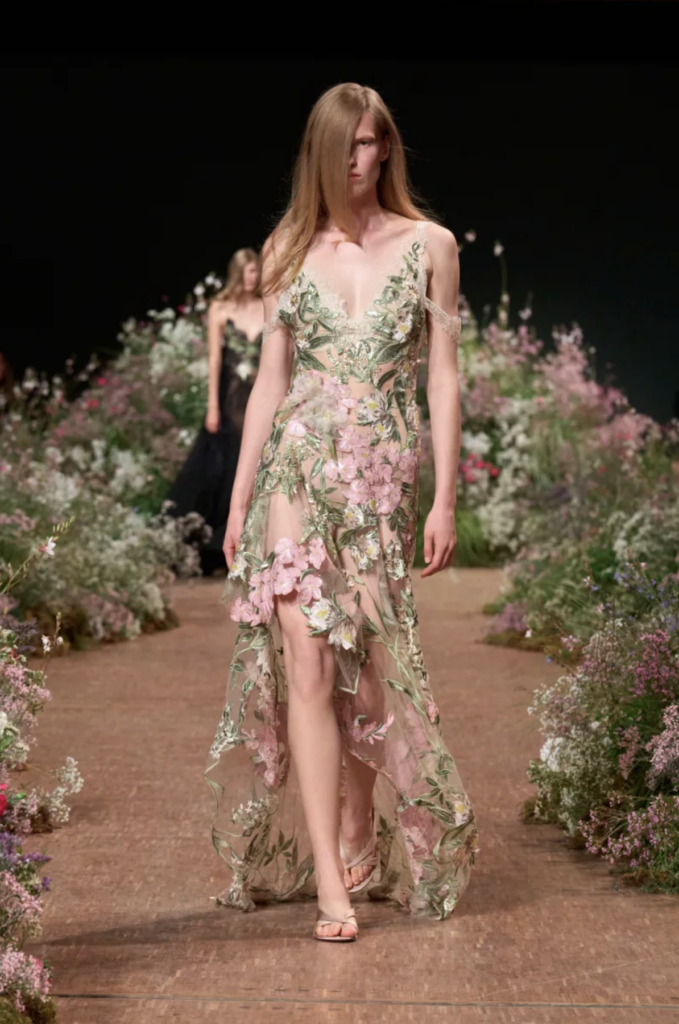
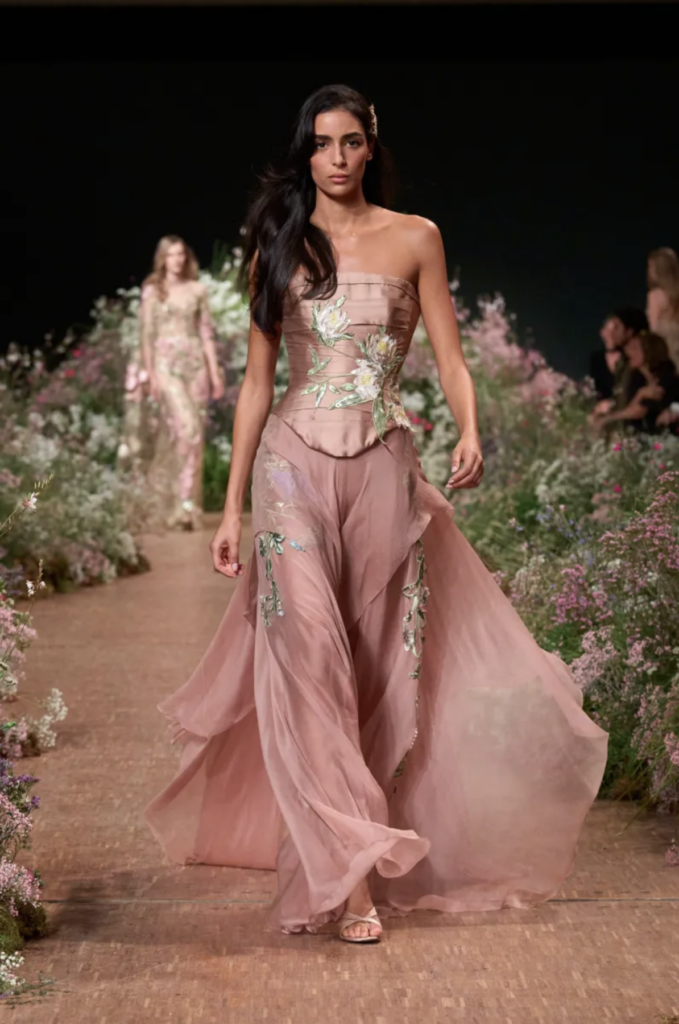
Elie Saab knows exactly what his name means in fashion, and for Spring 2027 he chose not to run from it. Presented during Paris Fashion Week, the collection reached directly into the house’s early-2000s vocabulary of sheer layers, corseted shapes, floral embroidery and floating silhouettes, refreshing the signatures that helped establish Saab as one of fashion’s most recognizable purveyors of glamour. Rather than treating the archive as something untouchable, Saab used it as a working language for a generation now discovering those codes for itself.
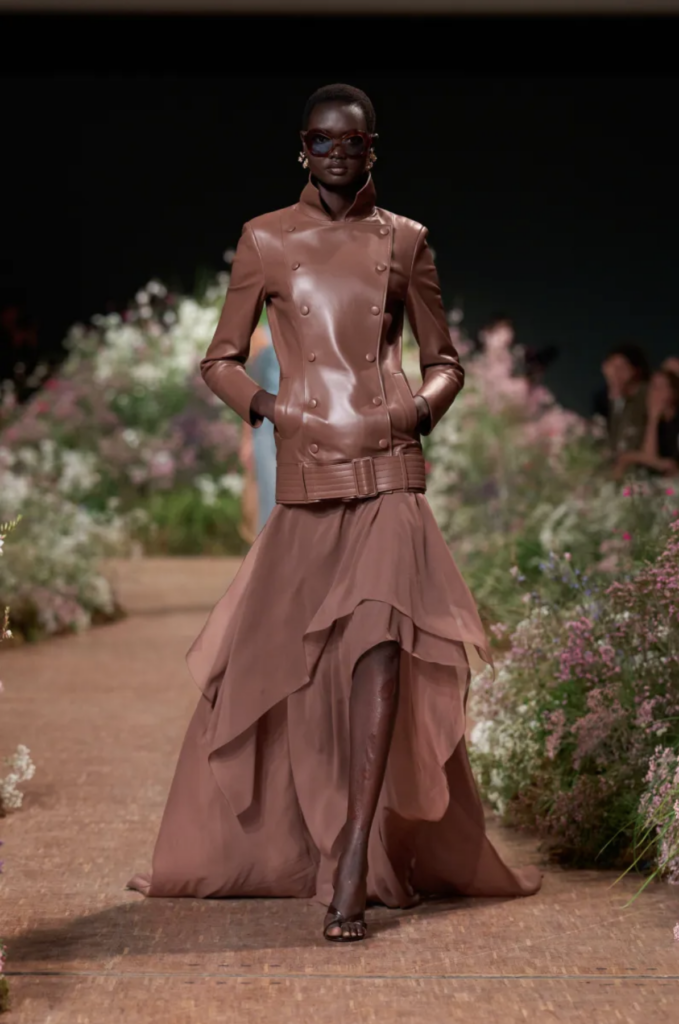
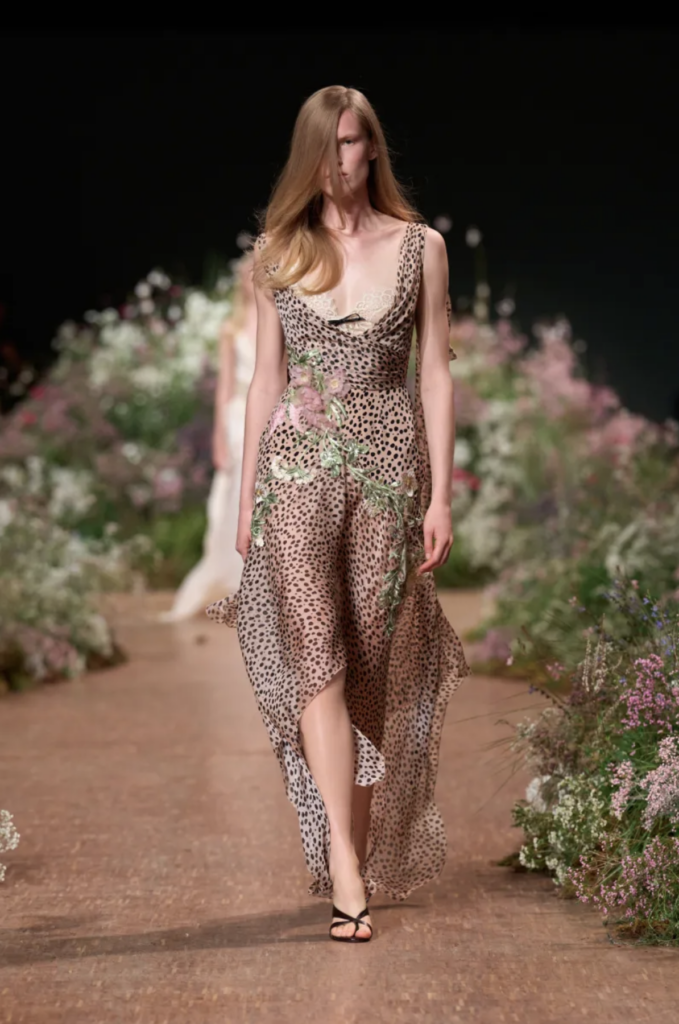
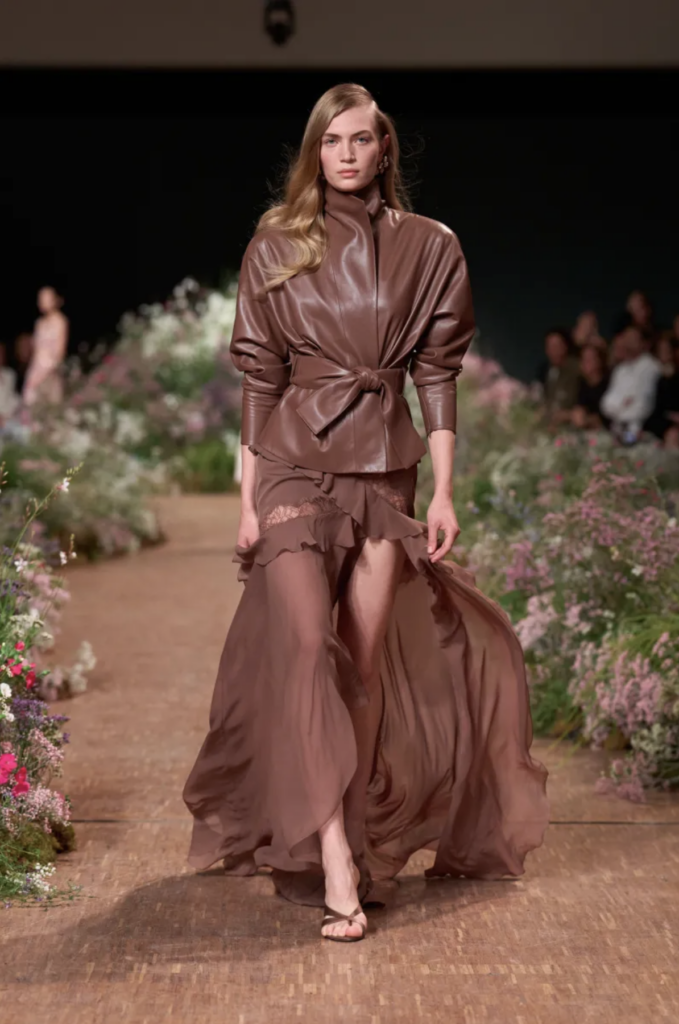
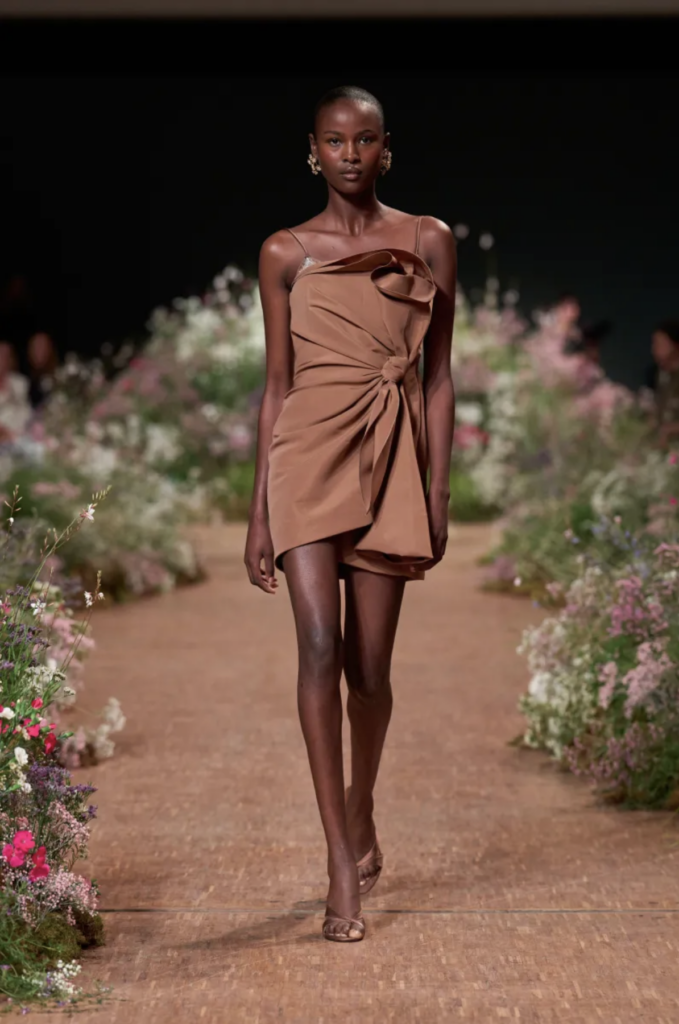
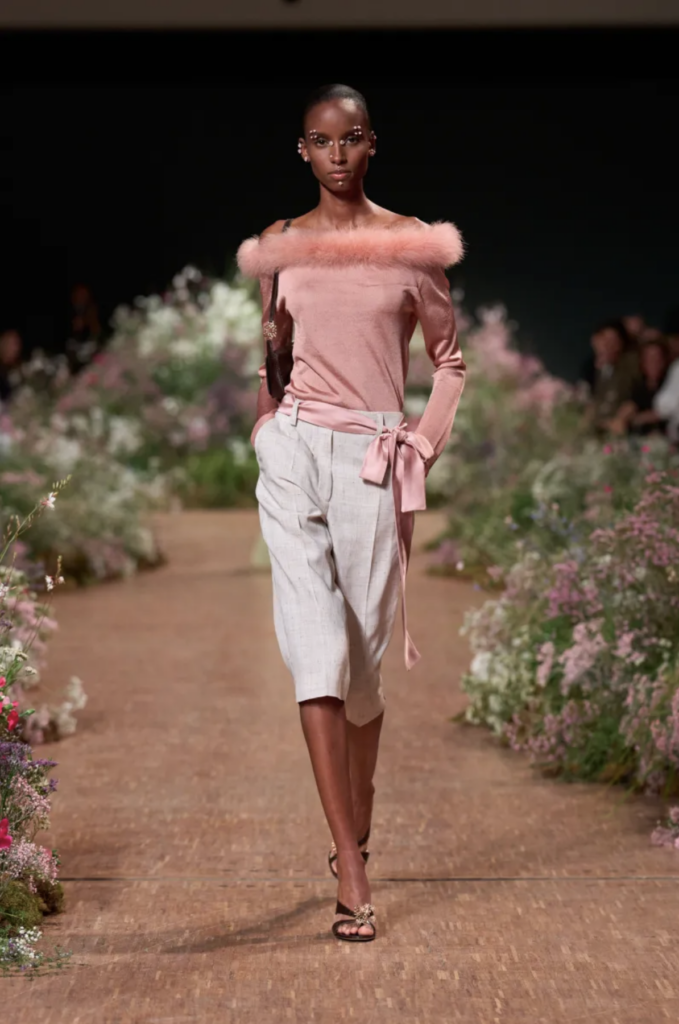
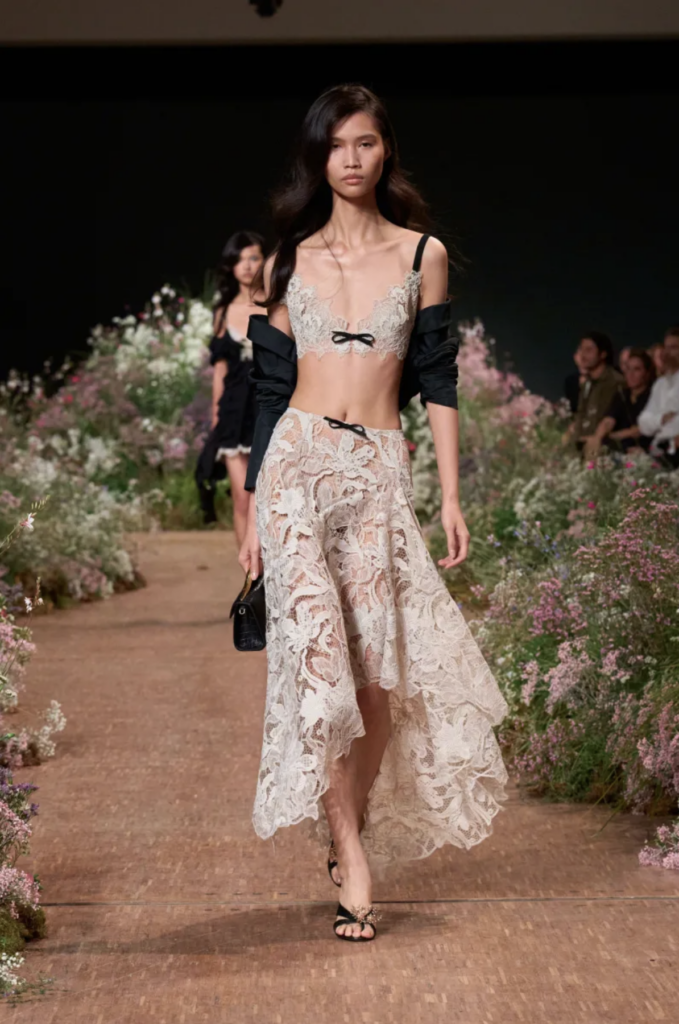
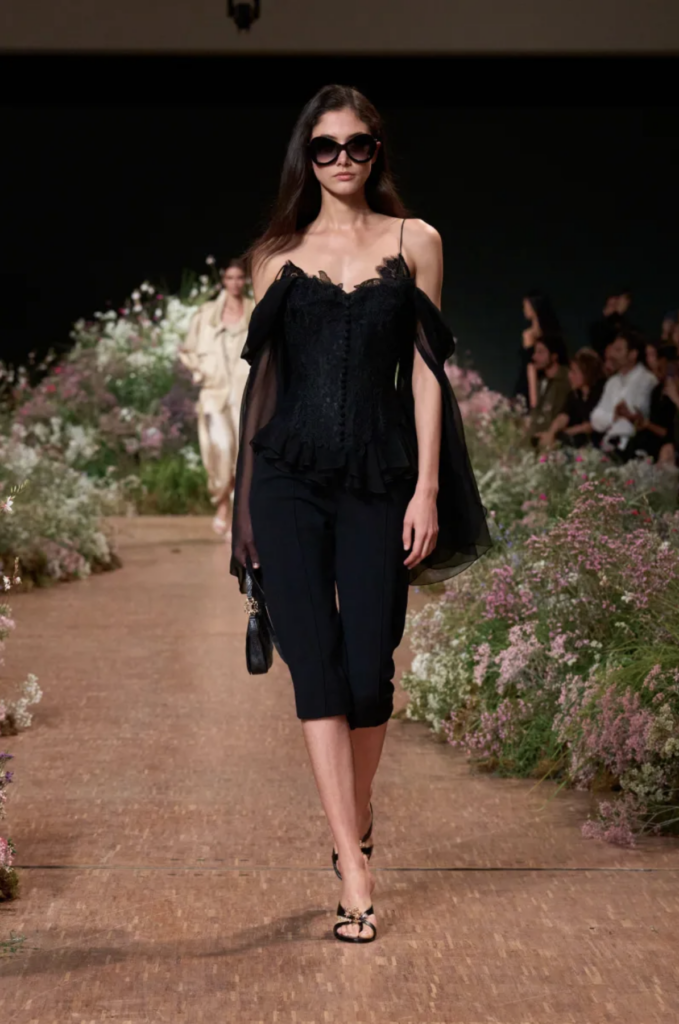
The collection, titled À Fleur de Peau, drew inspiration from Jean Harlow and the effortless sensuality of Old Hollywood. Fluid gowns skimmed the body while lace trims, lingerie-influenced slips, embroidered roses and asymmetric hems created a deliberately undone elegance. A palette of blush, powder blue, sage and sand reinforced the softness, while tailoring, leather and more structured separates gave the romance enough tension to keep it from becoming purely nostalgic.
That return to recognizable Saab territory feels particularly relevant right now. Fashion’s renewed fascination with the late 1990s and early 2000s has brought a younger audience toward the designers who originally helped shape the era, and Saab appears fully aware of the opportunity. The designer told WWD that younger customers and celebrities are returning to what he considers the authentic codes of the house, making Spring 2027 as much an assertion of brand identity as a seasonal collection.
There is also a larger business story behind the runway. WWD reports that ready-to-wear and accessories are helping drive growth at the company, with sales up roughly 20 percent this year, while the brand continues expanding its international retail presence. An upcoming H&M collaboration adds another layer to the strategy, opening Saab’s aesthetic to consumers who may know the red-carpet fantasy but have never been able to participate in the brand directly. In that context, revisiting the archive is not simply sentimental—it creates a clear visual vocabulary just as the house prepares to introduce itself to an even broader audience.
Spring 2027 ultimately succeeds because Saab does not pretend to be someone else. The gowns remain sensual, the embroidery remains romantic and the femininity is unapologetic, but there is a clearer understanding of why those signatures matter again. Fashion may be obsessed with rediscovering the past, but Elie Saab has an advantage: this particular version of glamour was already his.