
From Bottrop to Dubai, BRABUS has spent nearly five decades transforming some of the world’s most desirable automobiles into louder, faster and far more individual expressions of luxury. But calling BRABUS a tuning company no longer tells the whole story.
There are luxury cars, there are performance cars, and then there is BRABUS. Founded in Bottrop, Germany, in 1977, the company has built an identity around taking already exceptional machines and asking a deceptively simple question: what if there were no reason to stop here? Today, BRABUS describes itself as a global luxury mobility brand, creating high-performance automobiles and deeply personalized products for clients in more than 100 countries.
The story began with Bodo Buschmann, a young German automobile enthusiast who had grown up around his family’s Mercedes-Benz dealership. Buschmann was particularly fascinated by Mercedes-Benz and Porsche, but he wanted something the factory specifications of the era could not give him: a Mercedes that was more powerful, more sporting and significantly more individual. Rather than accept the available options, he decided to build what he believed should exist.
In 1977, Buschmann founded the company alongside university friend Klaus Brackmann. Even the name tells part of the story: BRA came from Brackmann and BUS from Buschmann. Brackmann departed shortly after the company was formally established, leaving Buschmann as BRABUS GmbH’s sole shareholder and the driving force behind the emerging brand.
What followed was much more ambitious than cosmetic car customization. During the 1980s, BRABUS was already carrying out extensive engine conversions, performance development and luxury interior modifications. Its 190 E V8 placed a substantially larger V8 engine into Mercedes-Benz’s compact 190 E platform, while a BRABUS-modified E-Class achieved a Guinness-recognized aerodynamic drag coefficient of 0.26 in 1985. Even at that early stage, the formula was becoming clear: engineering, speed, visual restraint or aggression depending on
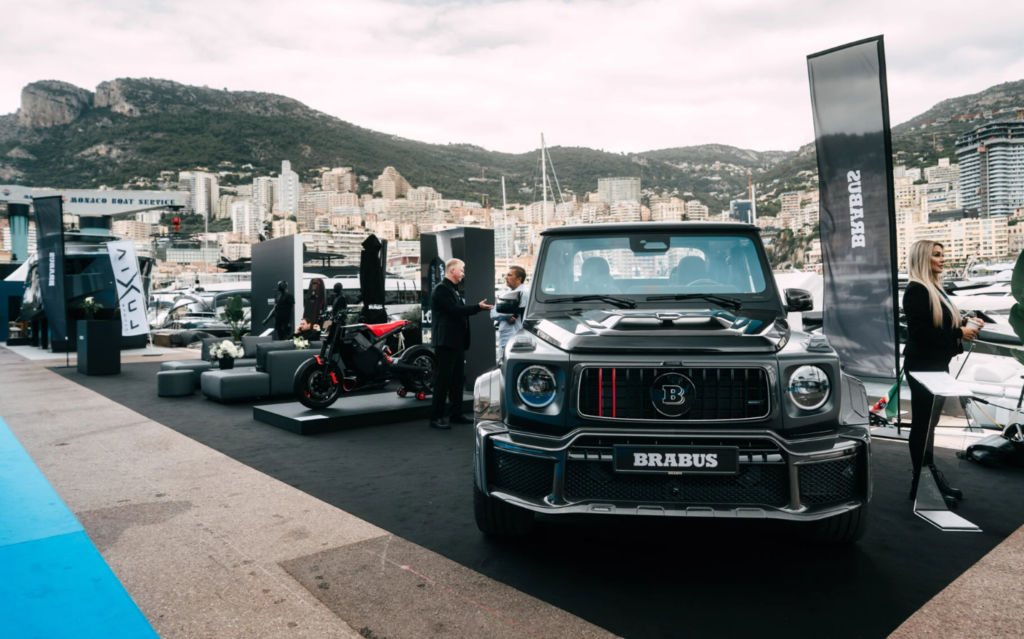
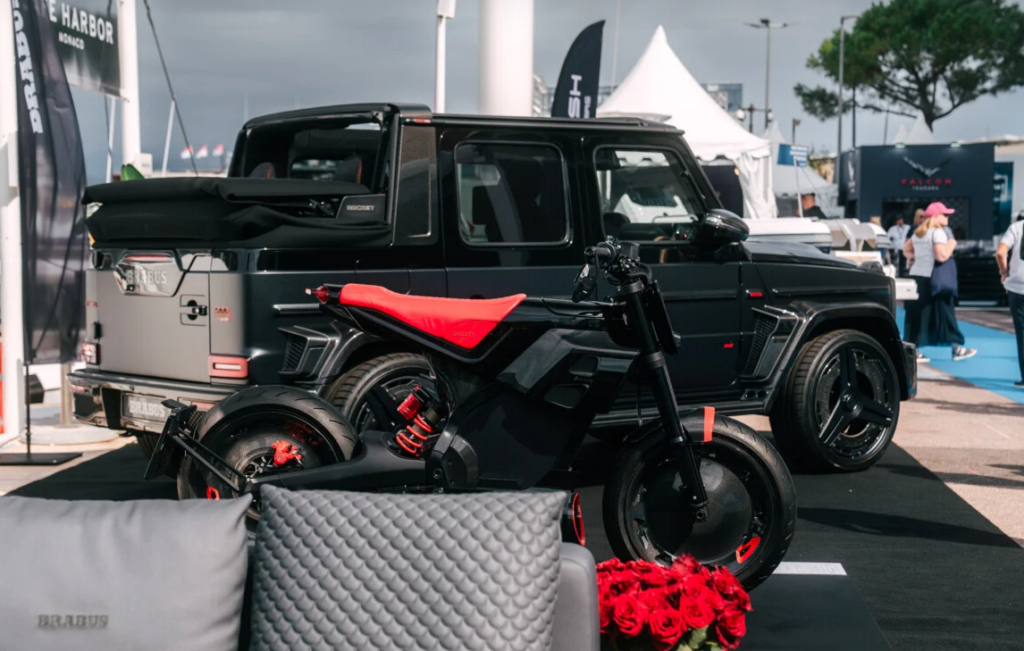
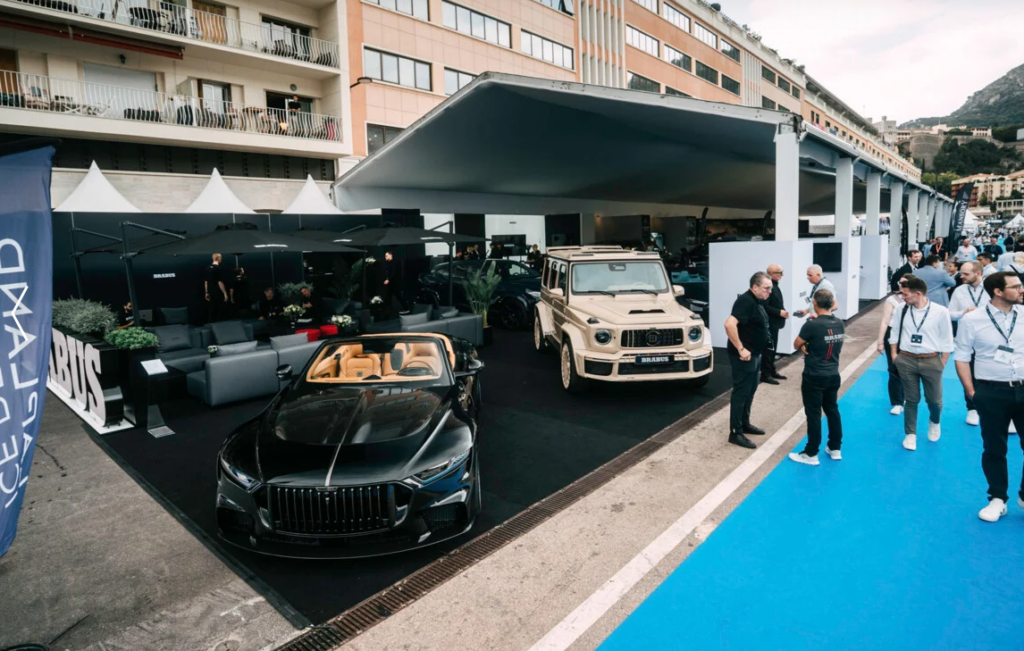
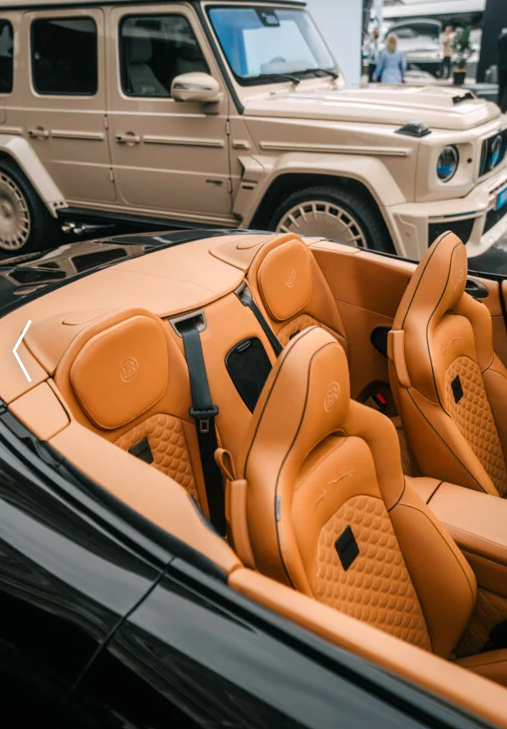
the project, and an obsession with making a vehicle feel unlike anything delivered from a standard production line.
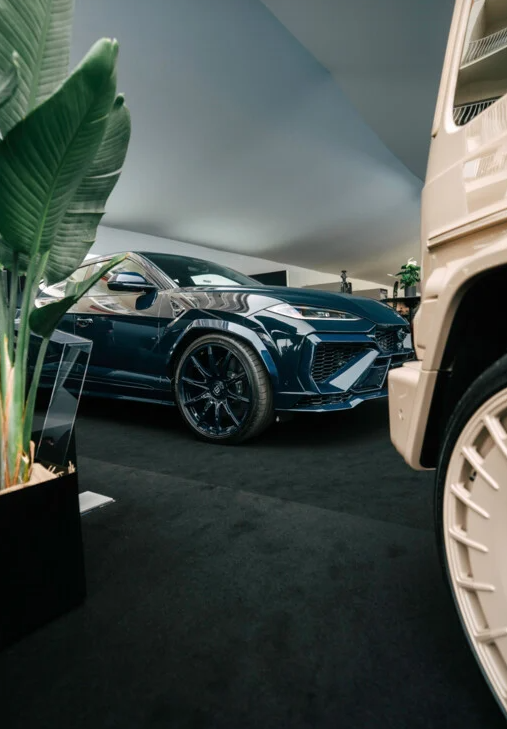
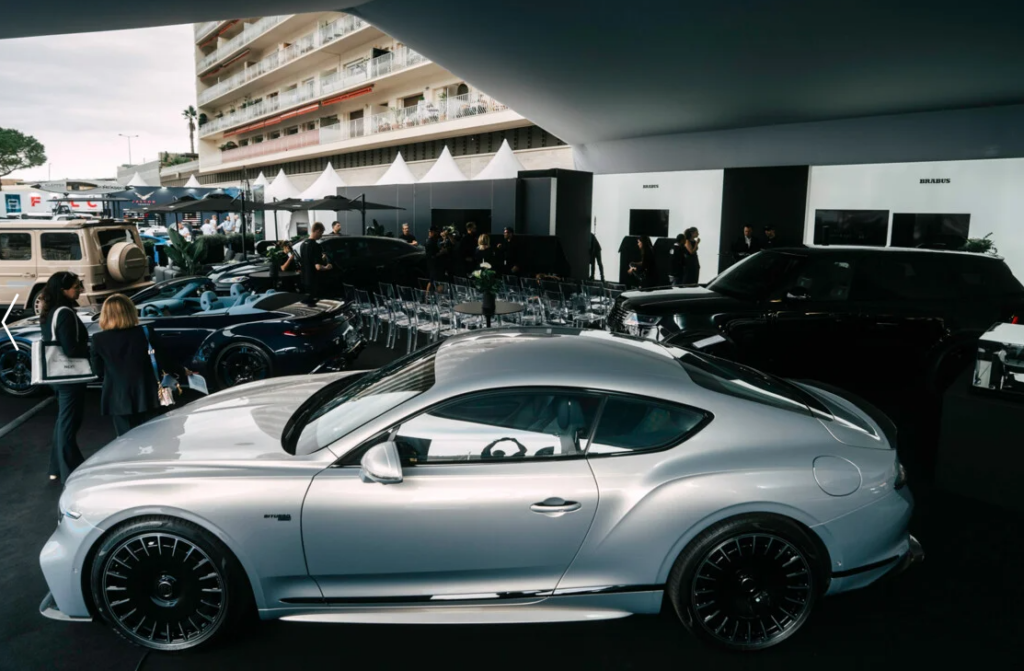
Over the decades, that philosophy turned BRABUS into one of the most recognizable names in high-performance automotive culture. Mercedes-Benz and Mercedes-AMG remain inseparable from its history, particularly cars such as the G-Class, S-Class and SL, but the modern BRABUS portfolio has expanded far beyond its original boundaries. The company now develops projects based on Porsche, Range Rover and Rolls-Royce models, while its newest generation of vehicles also reaches into Bentley and Lamborghini territory.
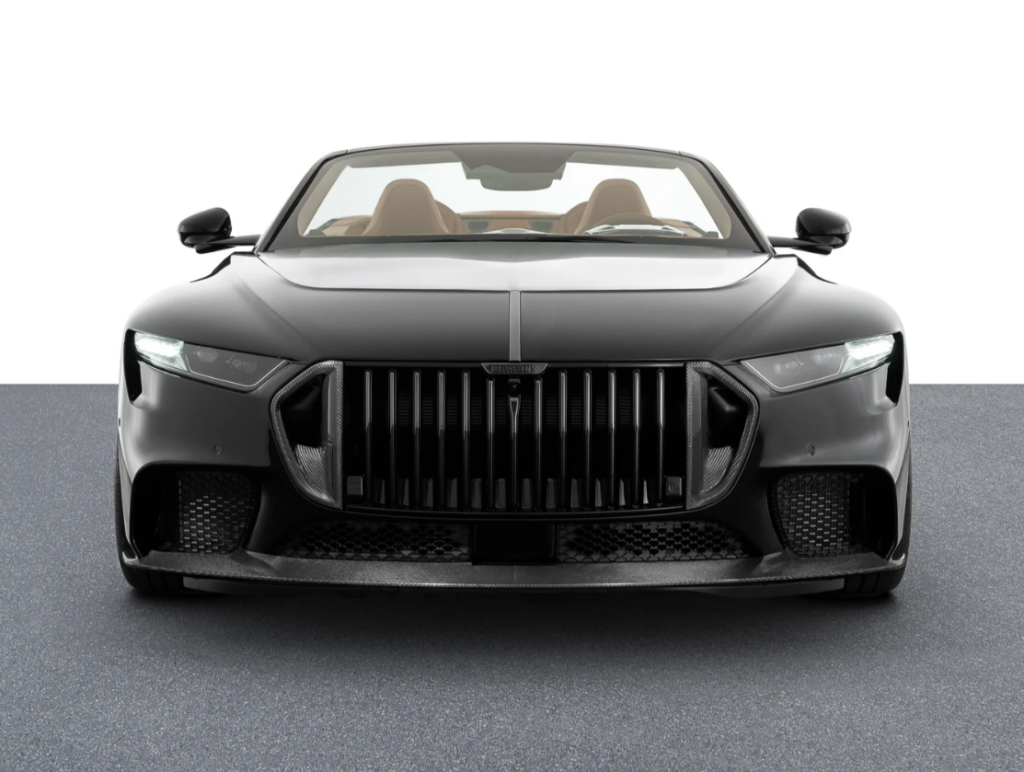
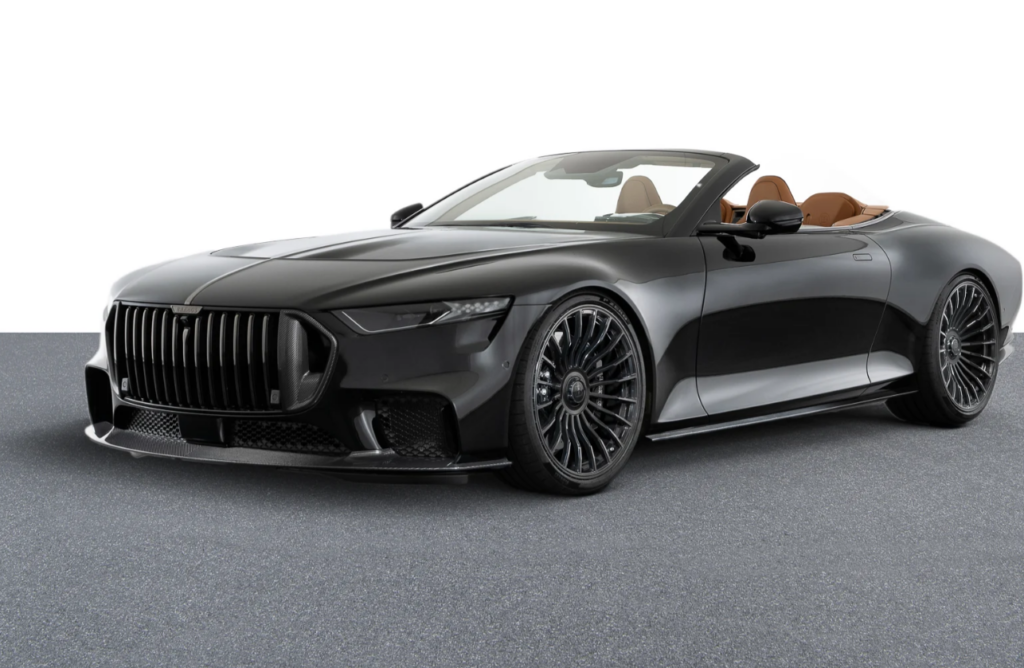
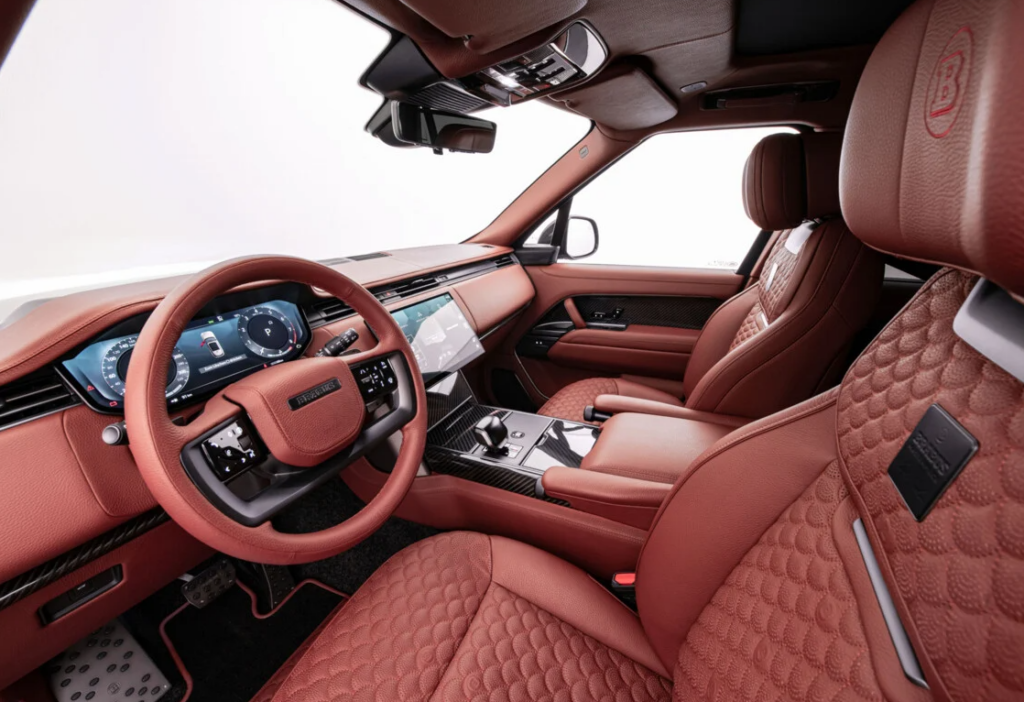
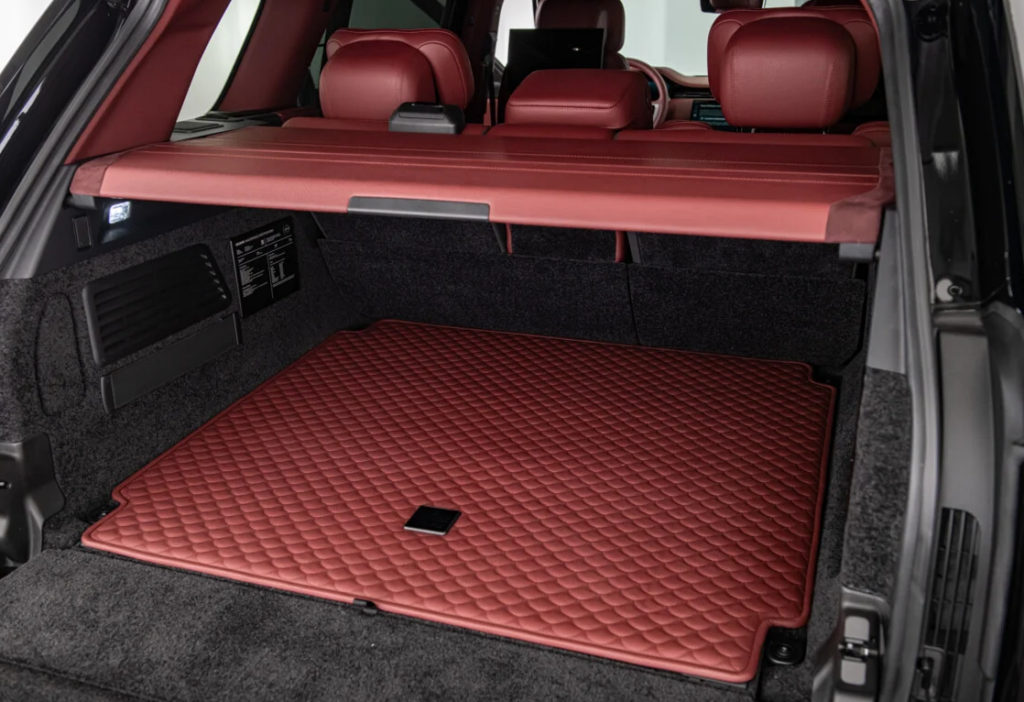
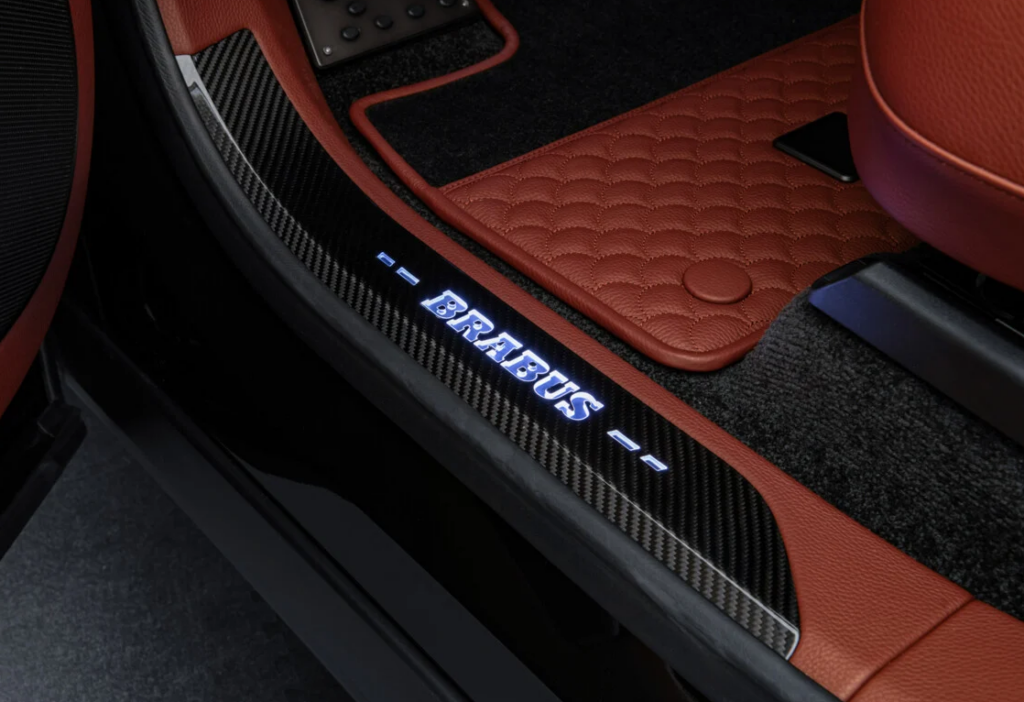
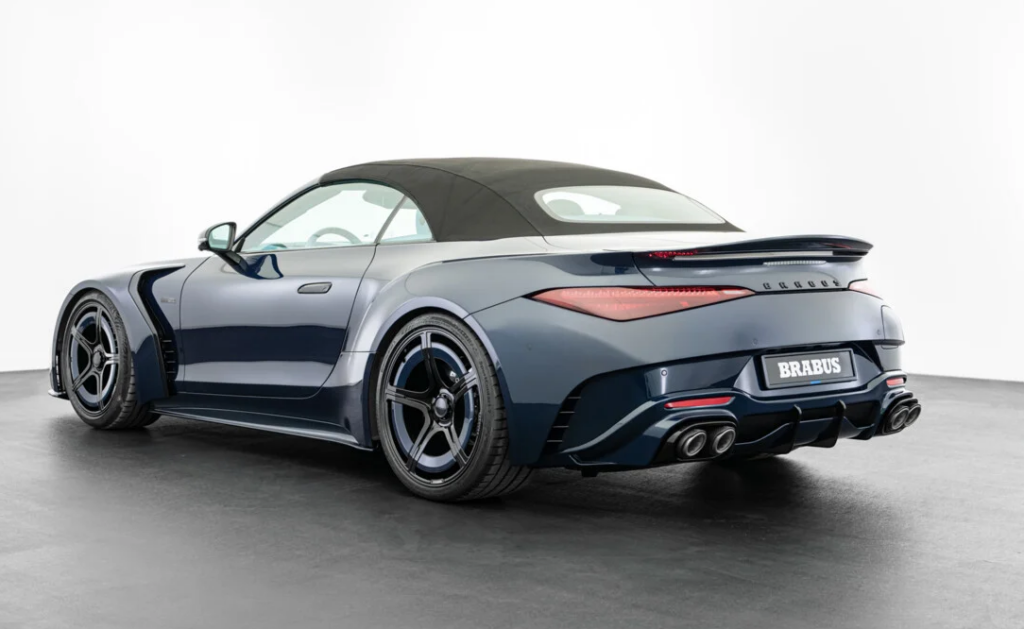
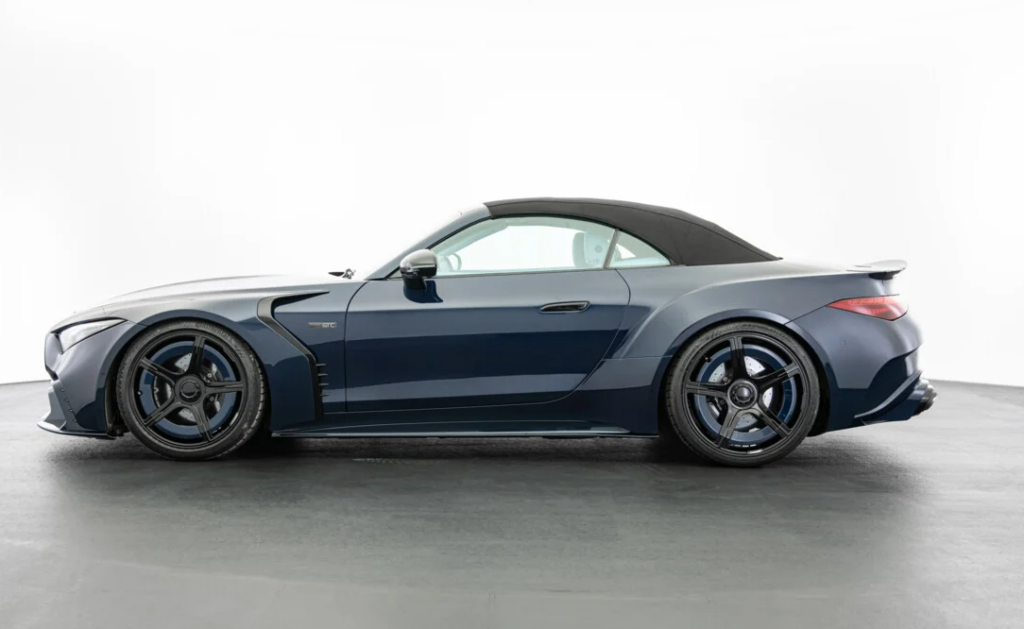
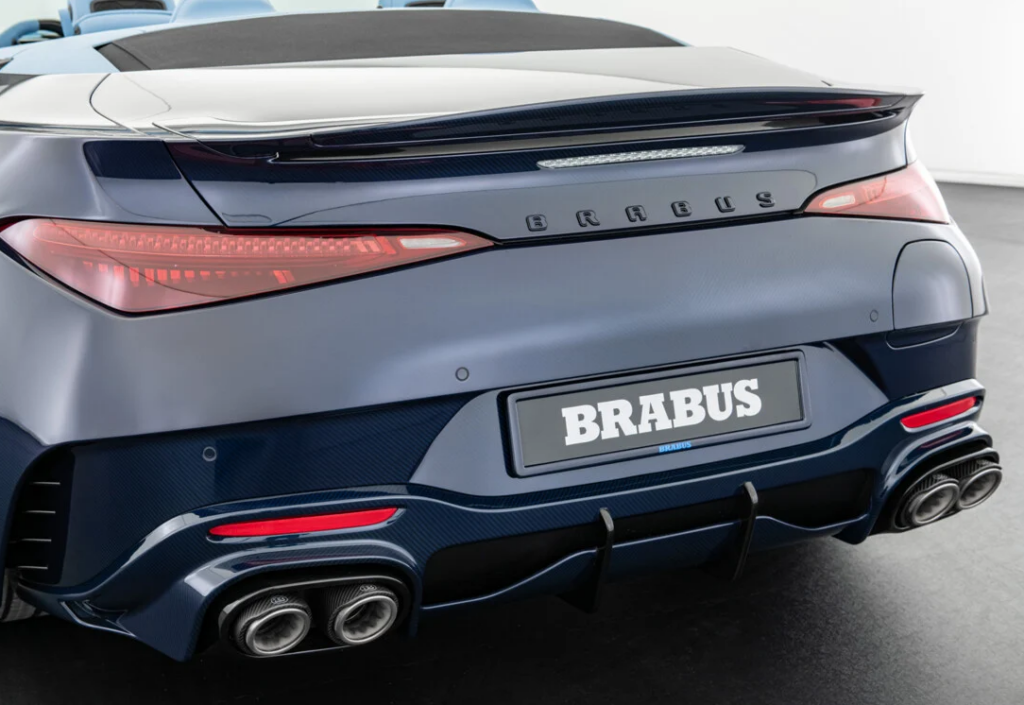
The difference is in the depth of the transformation. A BRABUS project can involve recalibrated or extensively modified engines, upgraded turbocharging, exhaust systems, suspension development, forged wheels and aerodynamic components engineered in carbon fiber. Inside, the treatment becomes considerably more intimate. BRABUS Masterpiece interiors can replace virtually an entire cabin with individually selected leather, stitching, piping, quilting and trim, with components handcrafted according to the owner’s specification. BRABUS says its highest-level Masterpiece vehicles can require months of work at its Bottrop headquarters.
That craftsmanship helps explain why BRABUS no longer positions itself simply as an aftermarket tuner. Its internal philosophy revolves around what the company calls the “1-Second-Wow” effect—the idea that a BRABUS product should make its identity and emotional impact clear almost immediately. That thinking extends from enormous power figures and exposed carbon fiber to meticulously quilted interiors and monochromatic exterior treatments. The objective is not subtle personalization for everyone. It is individuality for a customer who explicitly wants something other people do not have.
Performance remains central to the mythology. The BRABUS 930, for example, takes the Mercedes-AMG S 63 E Performance and develops a combined output of 930 horsepower and 1,510 Nm of torque. At an even more extreme level, BRABUS continues to build vehicles carrying four-digit power figures, alongside highly exclusive Rocket and Masterpiece models. These numbers have become part of BRABUS’s visual and cultural language: the badge often tells you immediately that the vehicle sitting in front of you is no ordinary version of the car beneath it.
BRABUS has also been expanding the definition of what the name can represent. BRABUS Marine brings the brand’s performance-and-luxury formula to high-performance boats, while BRABUS Classic restores important Mercedes-Benz automobiles. The company has entered bicycles, fashion and accessories, produced a luxury motorhome called the BIG BOY 1200, and collaborated with brands including Panerai. Its Masterpiece fashion collection even incorporates some of the same premium leather and design themes found inside its automobiles.
The Middle East has become another important chapter in that growth. BRABUS Middle East was officially founded in Dubai in 2011, giving customers in the United Arab Emirates direct access to BRABUS components, services and vehicle individualization. The company has since strengthened its Dubai presence, including the opening of a newly styled BRABUS Boutique, fitting naturally into a market where high-performance vehicles, extraordinary specification and conspicuous luxury already have a strong cultural presence.
The company also remains a family story. Bodo Buschmann died in April 2018 after more than four decades shaping BRABUS. His son, Constantin Buschmann, who had grown up around the business and worked alongside his father, became CEO in 2019. Under Constantin, BRABUS has accelerated its transition from performance specialist into a broader contemporary luxury brand while continuing the engineering and craftsmanship principles on which his father built the company.
That evolution may be BRABUS’s most interesting achievement. Plenty of companies can make an already fast automobile faster. BRABUS turned modification itself into a recognizable luxury language. The carbon fiber, immense wheels, handcrafted leather, staggering horsepower and unmistakable double-B emblem collectively communicate one thing: this vehicle belongs to someone who did not want the version everyone else could order.
Nearly 50 years after Bodo Buschmann decided that an ordinary Mercedes-Benz simply was not enough, that same idea remains the core of BRABUS. The cars have become faster, the reach has become global and the name now extends far beyond automobiles, but the philosophy is remarkably consistent.
Take something extraordinary—and refuse to leave it alone.