
Tesla has spent years promising that the next-generation Roadster would be unlike anything else on the road. Now the company has finally demonstrated just how literal that promise may be. At a presentation held at SpaceX’s test facility in McGregor, Texas, Tesla unveiled a dramatically redesigned Roadster capable of driving upside down, launching itself into the air, rotating in flight and returning to the ground on its wheels.
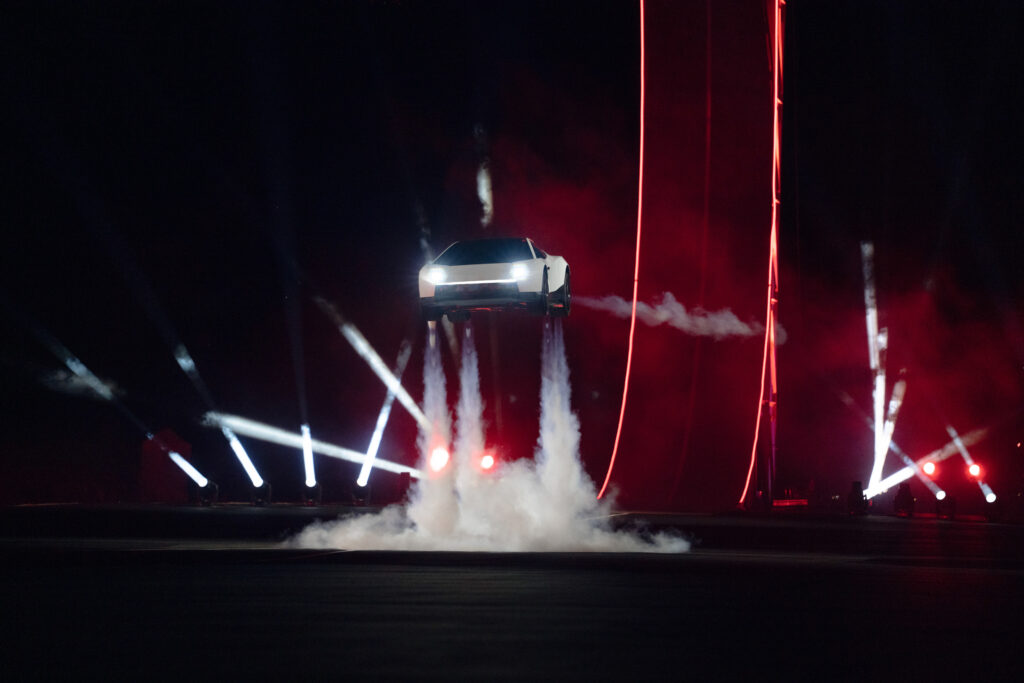
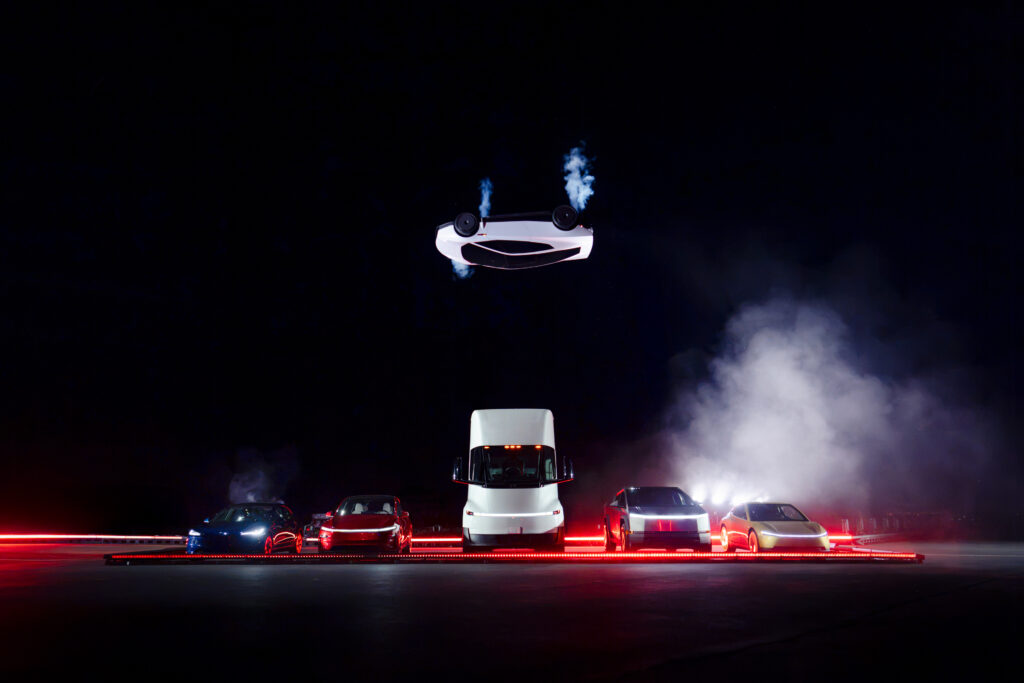
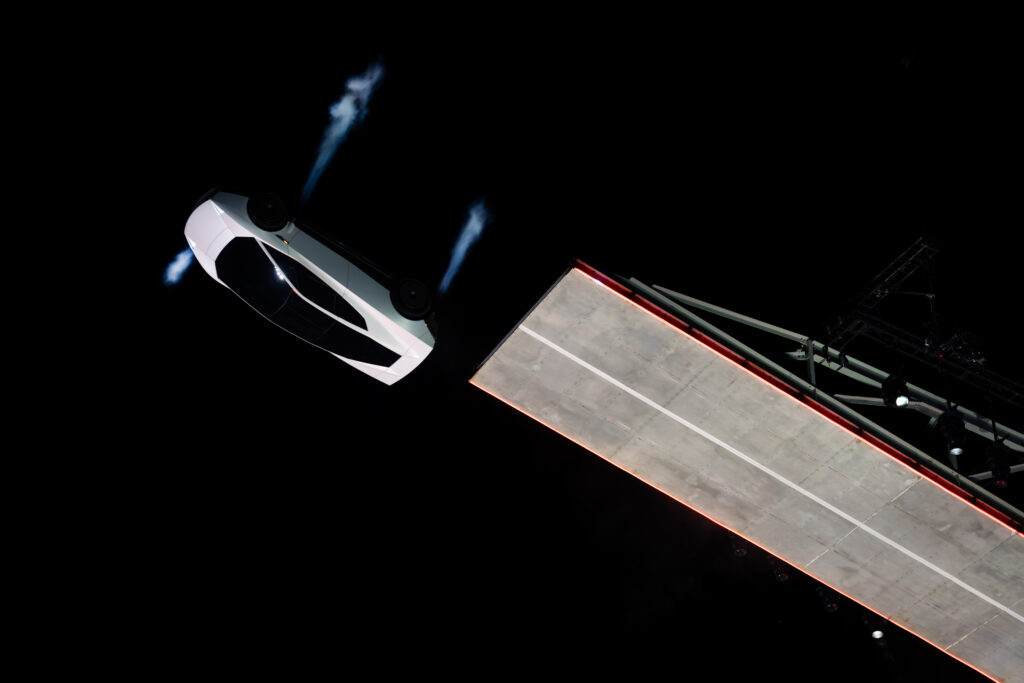
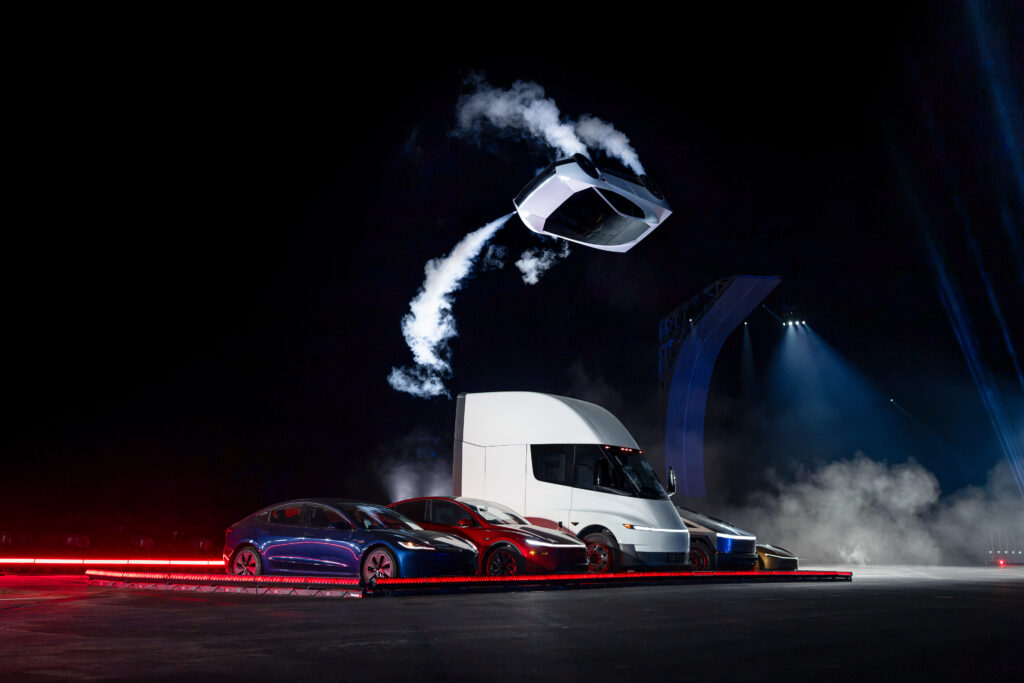
The demonstration looked less like the debut of a conventional electric sports car and more like something from a science-fiction film. A Roadster climbed a towering curved structure and remained attached as the surface carried the vehicle completely upside down. It then separated from the structure, used its onboard thrust system to reposition itself in the air and landed upright. In another demonstration, the Roadster launched over a lineup of Tesla vehicles while performing an aerial maneuver.
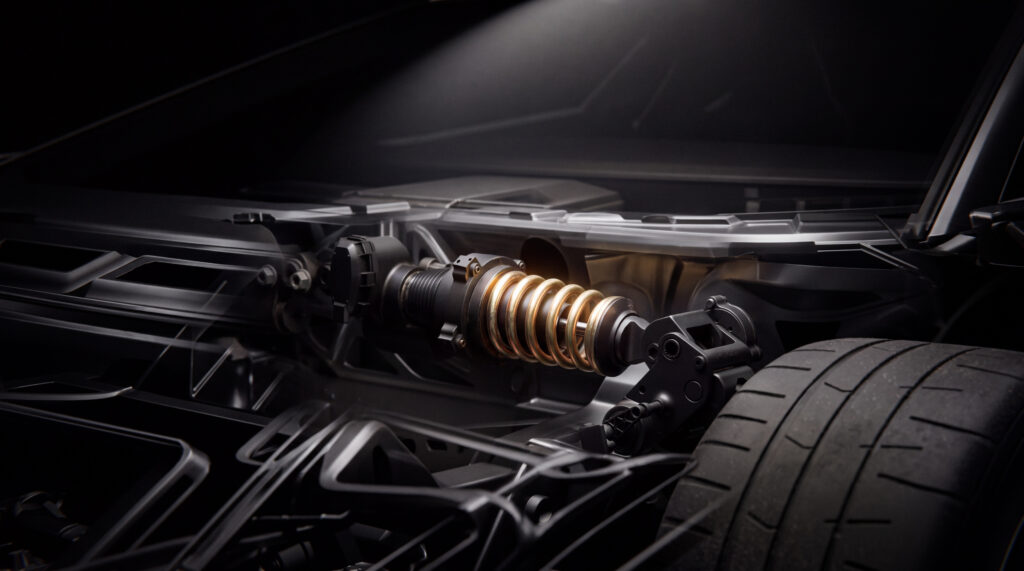
The technology behind the spectacle brings Tesla and SpaceX closer together than ever before. Tesla says the Roadster uses a multi-mode fan and ground-sealing system to remove air from beneath the vehicle, creating enormous levels of downforce. Unlike conventional aerodynamic systems that depend heavily on speed to generate downforce, Tesla says its powered system can generate enough suction to hold the Roadster upside down even when the vehicle is stationary.
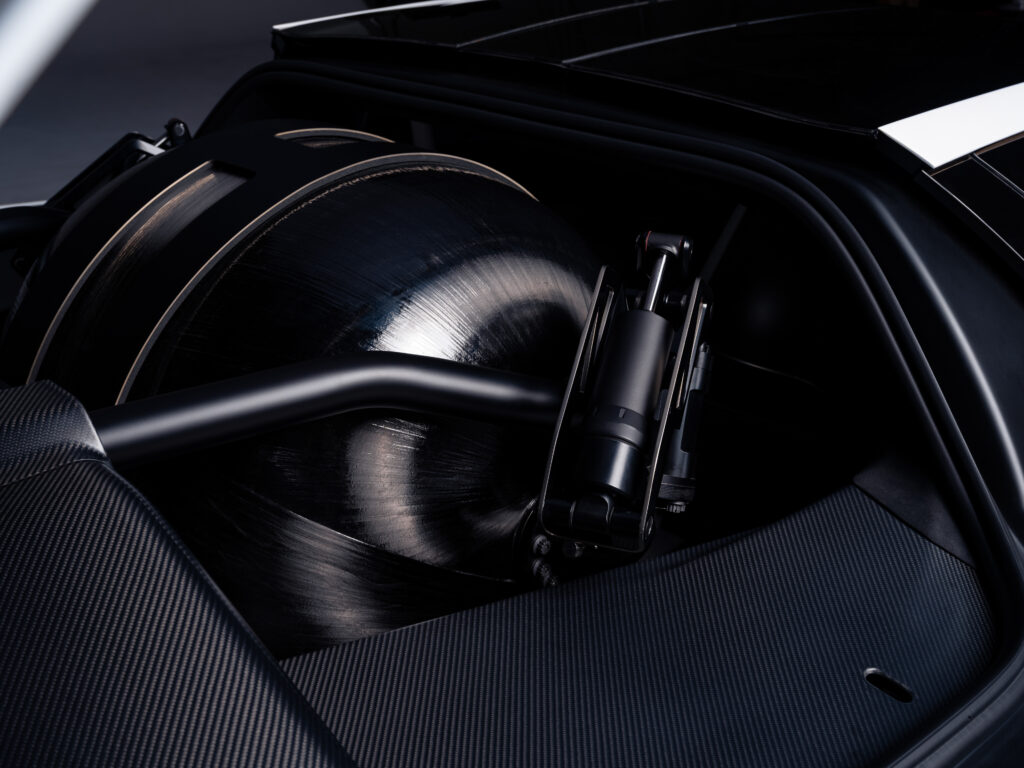
Then there are the thrusters. Tesla’s more extreme Roadster configurations incorporate cold-gas thruster technology inspired by SpaceX. Rather than using traditional rocket fuel, the system relies on highly pressurized gas to create short bursts of thrust. Tesla says those thrusters can assist with acceleration, stabilization and, in the most extreme configuration, movement through the air.
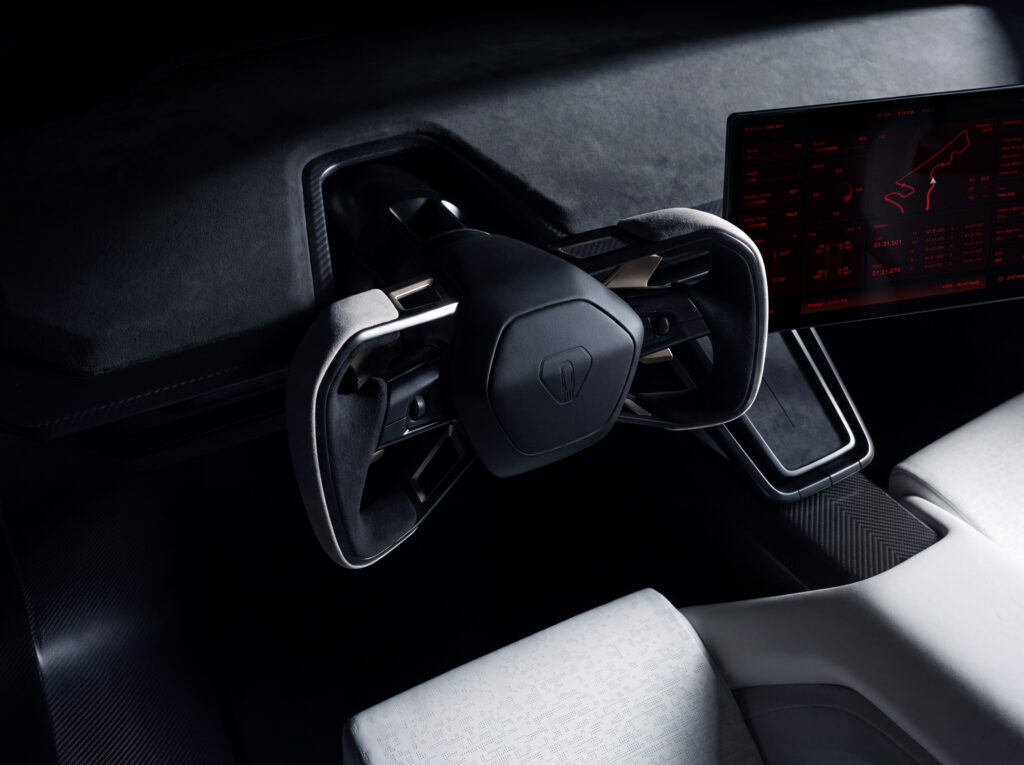
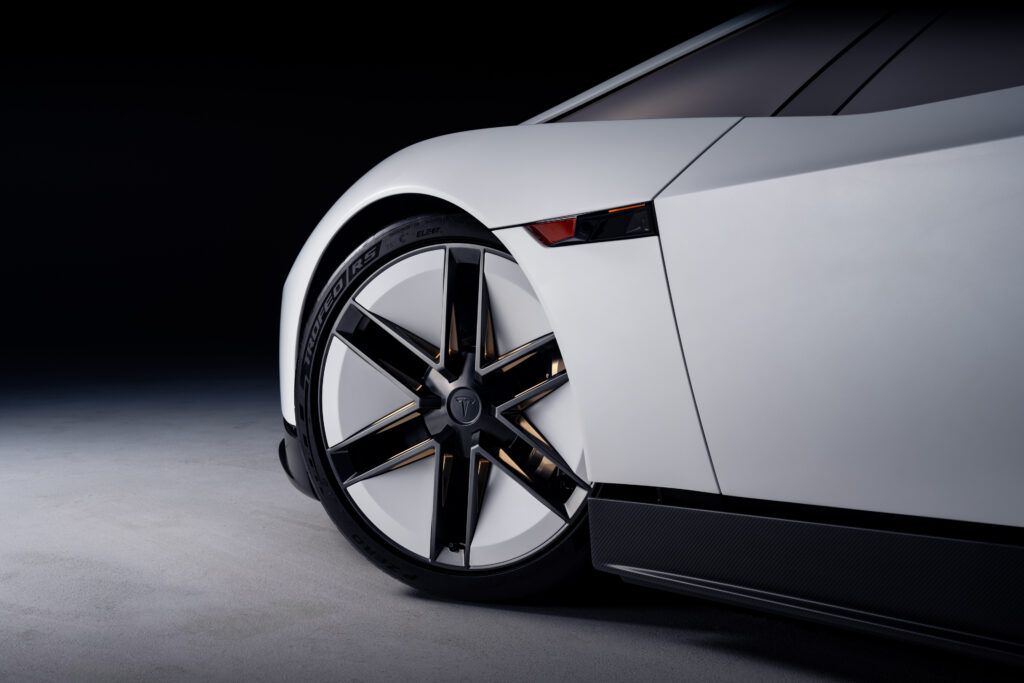
Tesla is dividing the new Roadster concept into different levels of performance. The road-oriented version is designed as a two-seat sports car with active aerodynamics and the company’s suction technology. The limited-production Thrust configuration adds rear-mounted cold-gas thrusters and is claimed to accelerate from zero to 60 mph in less than one second. Above that sits the Rocket configuration, an invitation-only, single-seat version equipped with thrusters positioned around the vehicle to provide forward and upward acceleration as well as rotational control.
Tesla does not hide the absurdity of what it has created. On its own Roadster website, the company describes the Rocket configuration as “air ready” and states plainly that the car can fly.
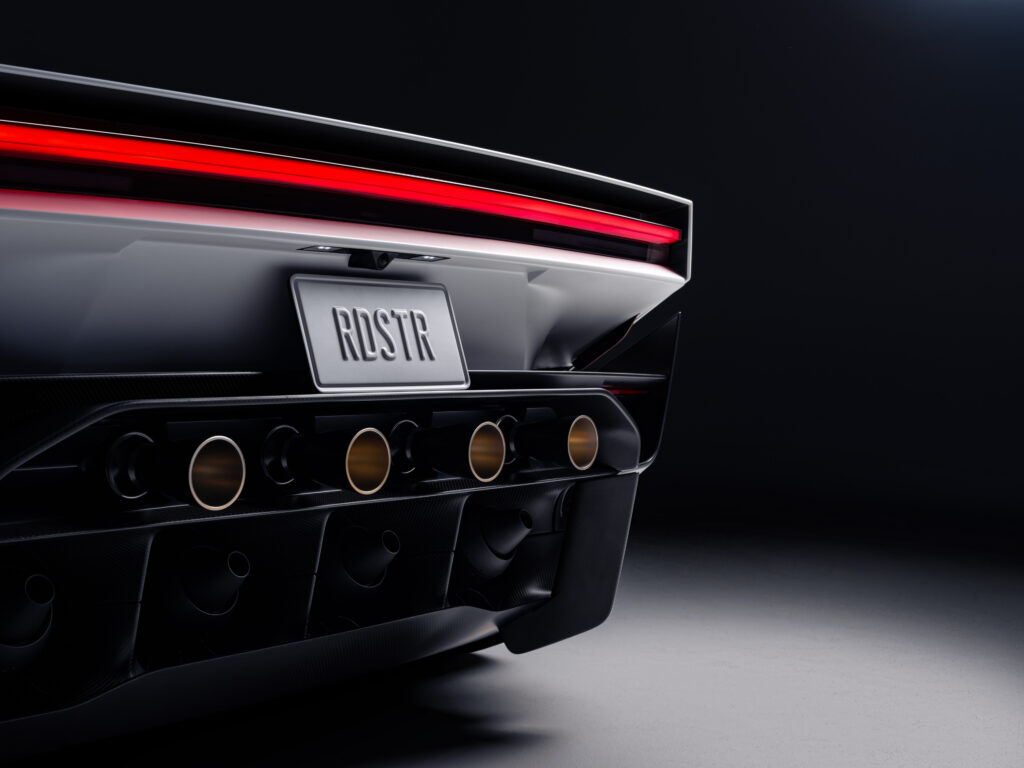
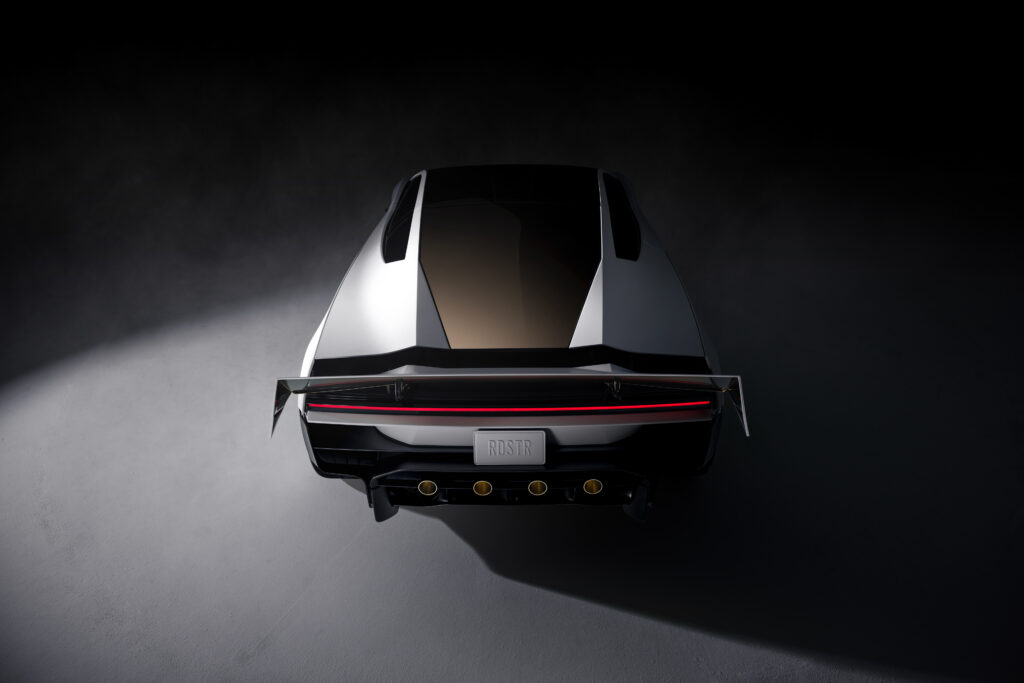
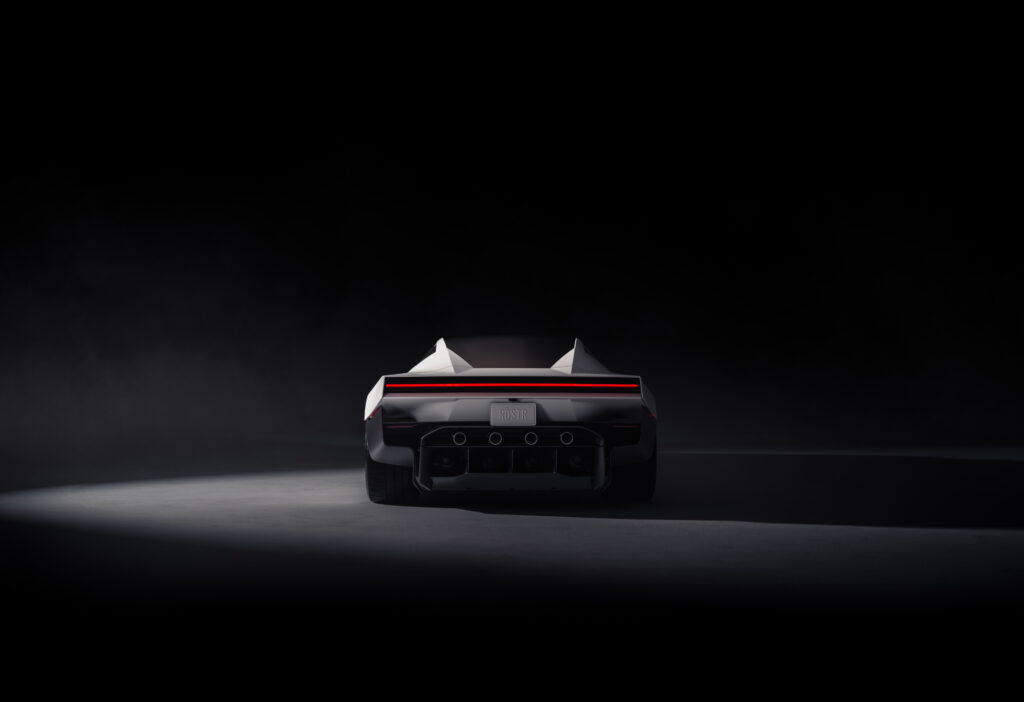
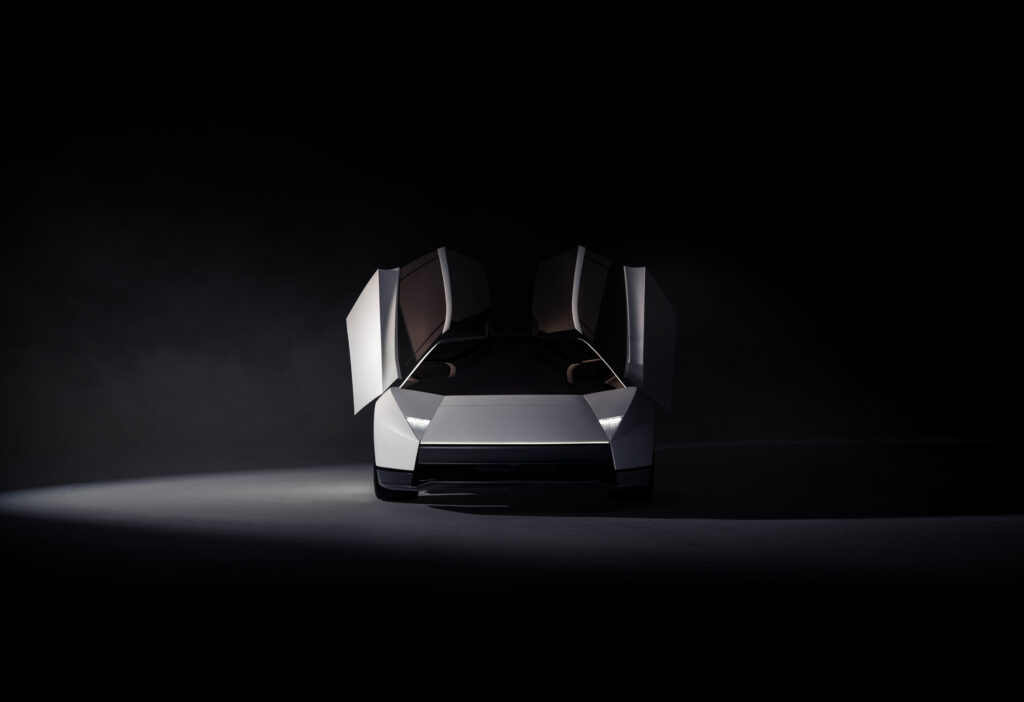
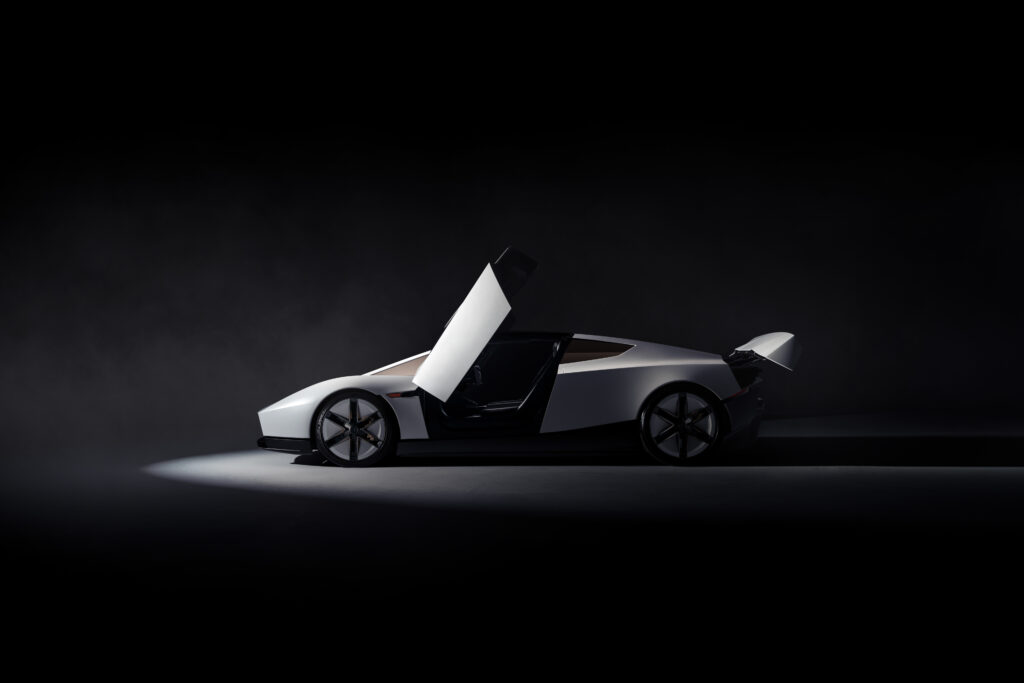
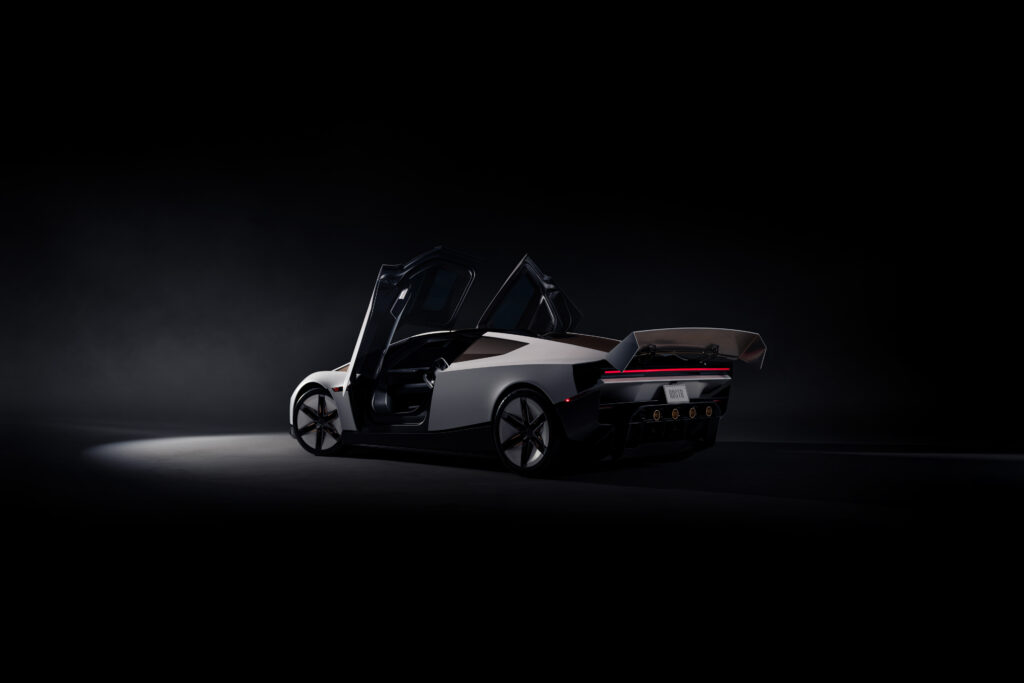
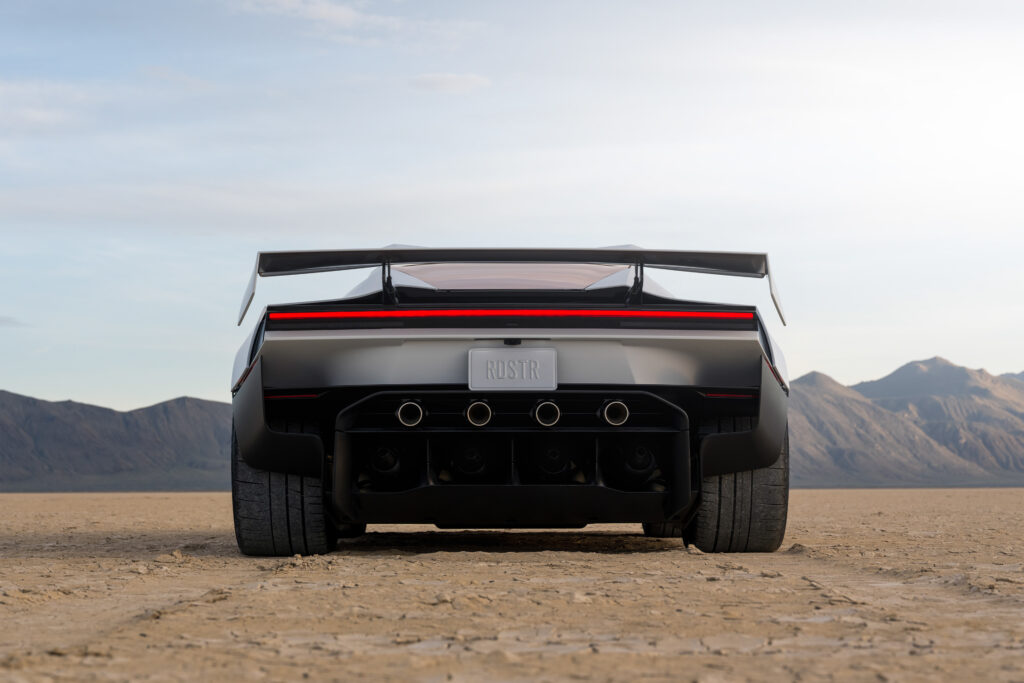
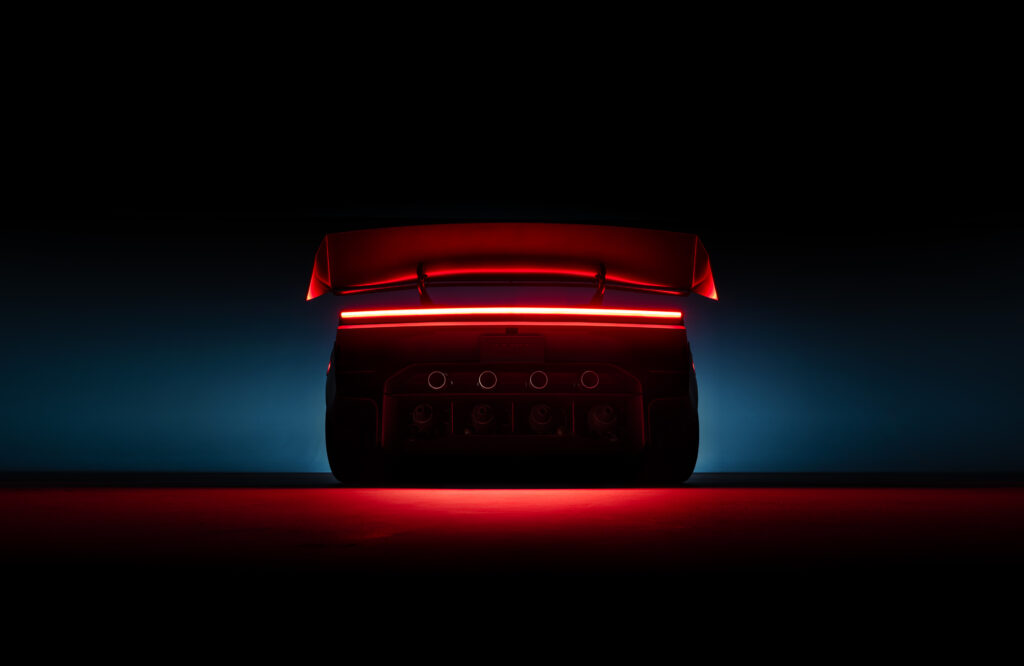
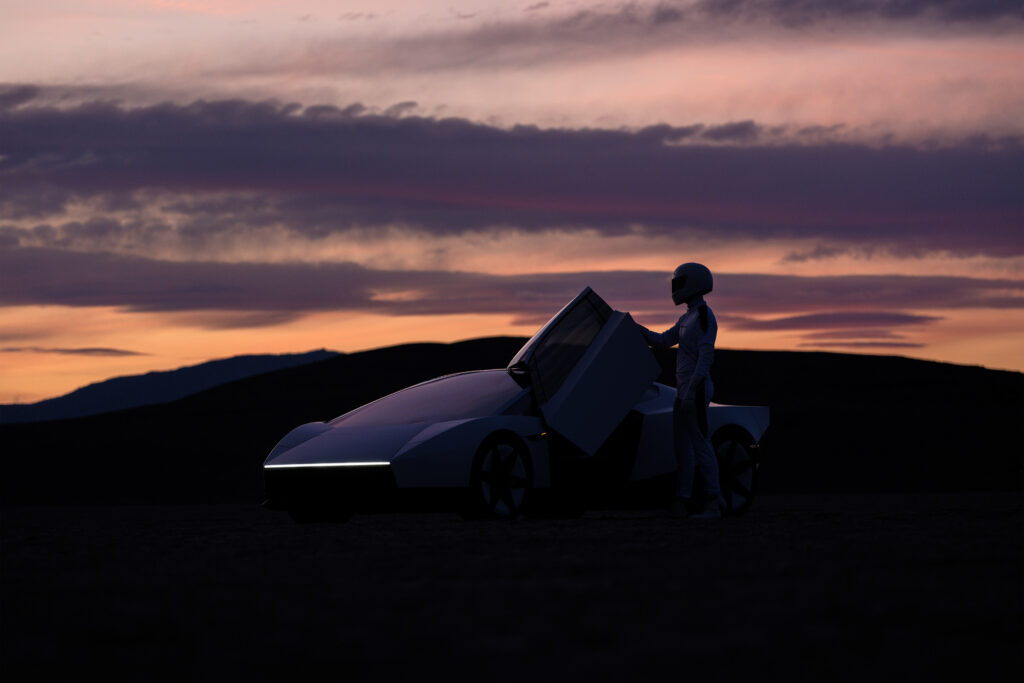
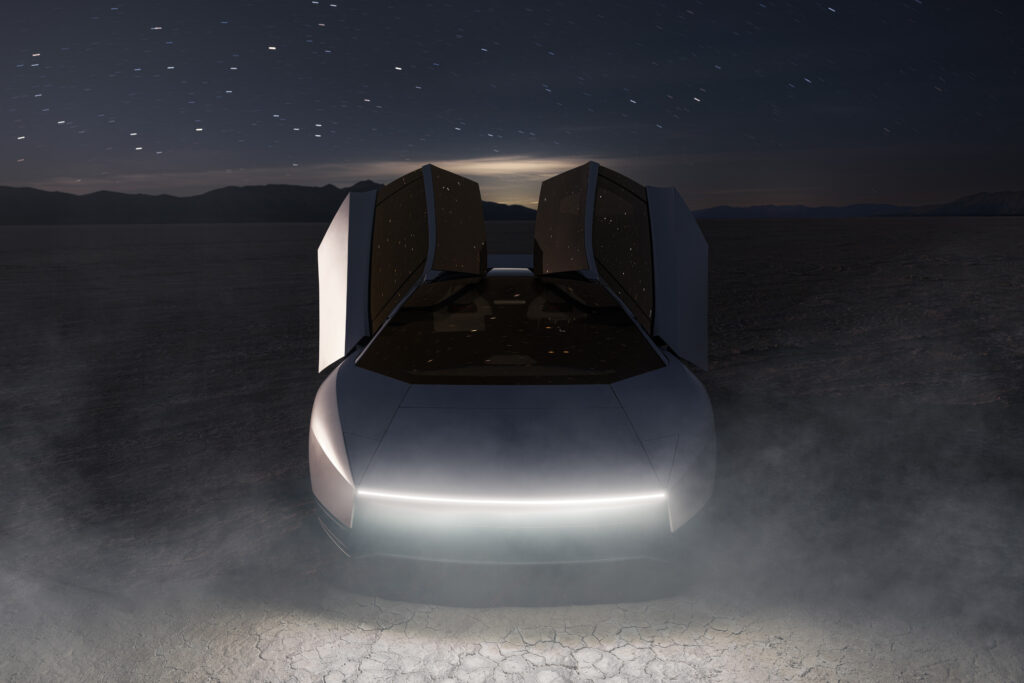
That statement, however, needs context. What Tesla demonstrated was controlled, short-duration airborne movement at a private test facility rather than the kind of sustained point-to-point flight normally associated with an aircraft. The Rocket version is also explicitly listed by Tesla as not approved for public-road use.
That distinction is important because the Roadster remains a prototype rather than a vehicle buyers can take home today. Regulatory questions surrounding a vehicle capable of producing enormous thrust and leaving the ground could be significant, and Tesla still has to turn the technology demonstrated in Texas into something that can be manufactured reliably. The company currently says production is planned for 2028, following years of delays since the second-generation Roadster was originally announced in 2017.
There is also no confirmed final retail price. Tesla has reopened reservations, but its reservation agreement makes clear that reserving a Roadster does not constitute an actual vehicle order and that the final purchase price will be determined later. Current U.S. reservation requirements are substantial, particularly for the higher-performance versions, while the Rocket remains available only by invitation.
For Tesla, however, the Roadster may be about far more than sales volume. The car functions as a technological statement at a moment when electric performance has become increasingly competitive. Automakers around the world can now build extraordinarily quick EVs. Tesla appears to be responding by attempting something few competitors would even consider: blending electric-car engineering with aerospace technology.
Whether an airborne Roadster becomes a practical consumer product is another question entirely. But as a demonstration of engineering spectacle, Tesla succeeded in making the automobile feel strange again. For more than a century, cars have been designed around one fundamental assumption: their tires stay on the ground. Tesla’s latest Roadster is asking what happens when that rule no longer applies.
If the production version comes anywhere close to the prototype Tesla just demonstrated, the Roadster will not simply be another electric supercar. It may become one of the most unconventional vehicles ever offered to consumers — assuming regulators, physics and Tesla’s own production timeline allow it to get there.
The key distinction in the article is deliberate: Tesla demonstrated brief controlled flight-like maneuvers; it has not demonstrated the Roadster functioning as a conventional sustained-flight aircraft. The inverted driving and airborne demonstrations themselves are well documented by Tesla and multiple independent outlets. Car and Driver