
The centenary edition turns one of watchmaking’s defining inventions into a bridge between Rolex history and its next era.
In 1926, Hans Wilsdorf introduced the Rolex Oyster, a completely waterproof and dustproof wristwatch that helped redefine what a watch worn on the wrist could be. One hundred years later, Rolex is celebrating that breakthrough not simply as a piece of company history, but as the foundation for a new chapter in the Oyster story.
At the center of the anniversary is a new Oyster Perpetual 41 created specifically to commemorate the Oyster’s centenary. Presented in yellow Rolesor, the watch pairs a yellow-gold bezel and winding crown with a bracelet made entirely from Oystersteel, creating an unusual interpretation of Rolex’s longstanding combination of gold and steel.
The anniversary becomes more explicit when viewed up close. The winding crown carries the number “100” in relief, while the slate dial replaces the customary “Swiss Made” inscription at 6 o’clock with the words “100 years.” Green squares punctuate each five-minute interval on the minute track, and the Rolex name appears in the same emblematic green, turning details that might otherwise feel ceremonial into an integrated part of the design.
Inside, the Oyster Perpetual 41 is powered by Rolex calibre 3230, the manufacture’s self-winding mechanical movement offering an approximately 70-hour power reserve. Its Oyster case is waterproof to 100 metres, while the watch carries the technical principles that have come to define the Oyster Perpetual family: precision, waterproofness, self-winding performance and the pursuit of long-term reliability.
That performance standard has also changed for 2026. Rolex has expanded its Superlative Chronometer certification to seven testing criteria, adding resistance to magnetism, reliability and durability to the established evaluations of precision, waterproofness, self-winding and power reserve. The brand states that the precision of a finished watch is tested to an accuracy of between minus two and plus two seconds per day, with hundreds of checks and validations built into the development and manufacturing process.
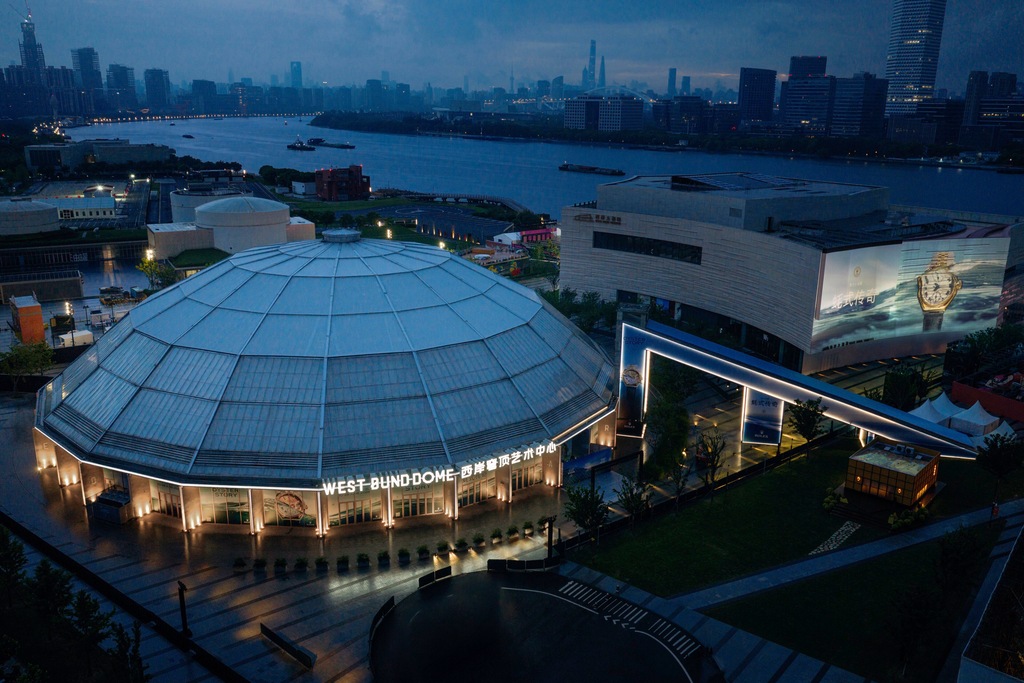
The centenary reaches beyond the new watch itself. Earlier this year, Rolex transformed Shanghai’s West Bund Dome into “Oyster Story,” a landmark exhibition held from June 10 through June 28 that explored the invention, evolution and cultural reach of the Oyster. Historic and contemporary watches appeared alongside authentic components, privately loaned pieces and immersive installations designed to show how an idea born from Wilsdorf’s pursuit of waterproofness became one of watchmaking’s most recognizable foundations.
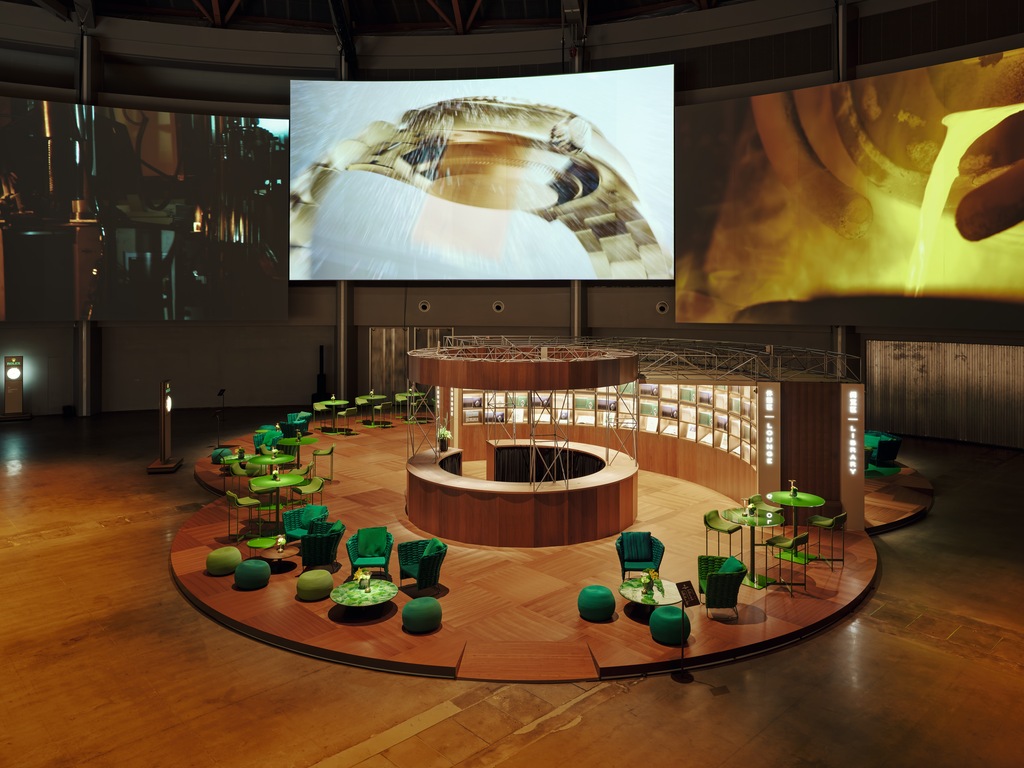

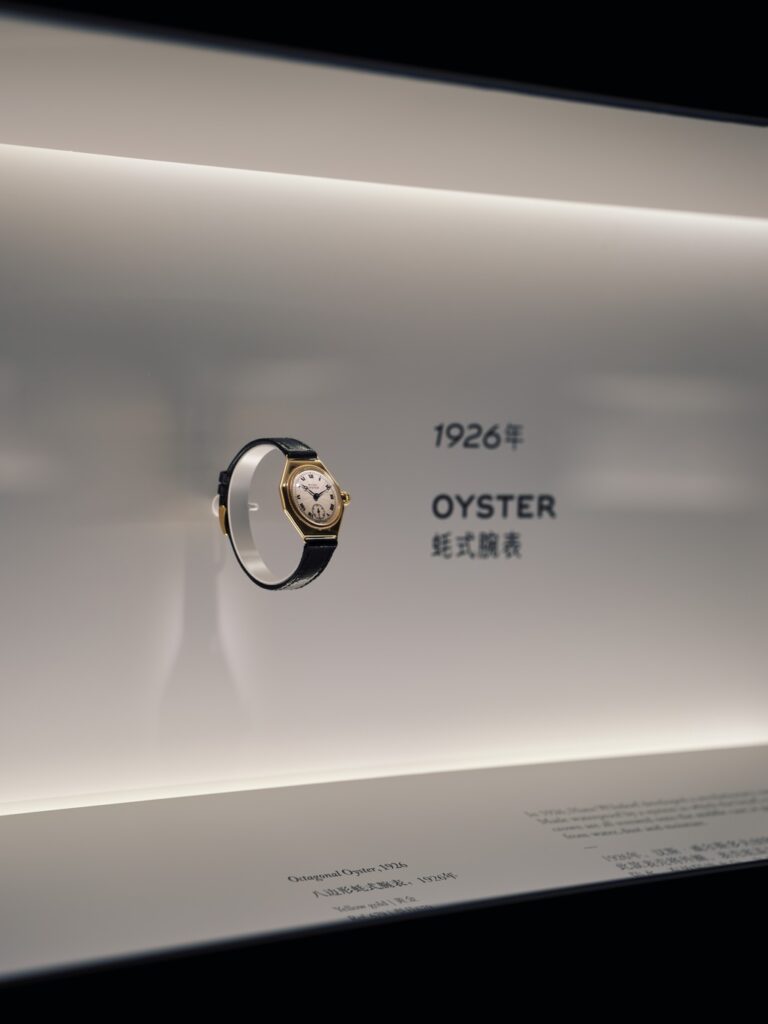
The exhibition also brought the human side of Rolex history into focus. One hundred portraits of notable Rolex wearers joined watches associated with explorers and pioneers, while a dedicated “SUPERLATIVE” pavilion examined cases, movements, bracelets, dials, materials and the processes behind modern Rolex manufacturing. An installation devoted to Rolex’s work with optical atomic clocks pushed the story further into the future, illustrating how the manufacture continues to pursue increasingly precise ways of measuring time.
That forward-looking approach matters because the Oyster was never intended to exist as a static design. In 1927, swimmer Mercedes Gleitze wore an Oyster while crossing the English Channel, providing an early real-world demonstration of the concept, and the addition of Rolex’s Perpetual rotor in 1931 helped establish the combination of waterproofness, precision and automatic winding that would shape generations of watches that followed.
A century later, the significance of the Oyster is larger than any single reference. It has become an engineering philosophy, a collection, and one of the central ideas around which Rolex built its reputation. The new Oyster Perpetual 41 succeeds because it does not attempt to recreate 1926; instead, it uses carefully placed centenary references to acknowledge the past while allowing the architecture of the modern Oyster to speak for itself.
At 100, Rolex is positioning the Oyster as both heritage and unfinished business. The anniversary watch, a more demanding certification standard and the Oyster Story exhibition all point toward the same message: longevity at Rolex is not supposed to mean standing still, but continuing to refine the ideas that made the Oyster revolutionary in the first place.